How to Clean Leather Car Seats the Right Way: A Step-by-Step Guide
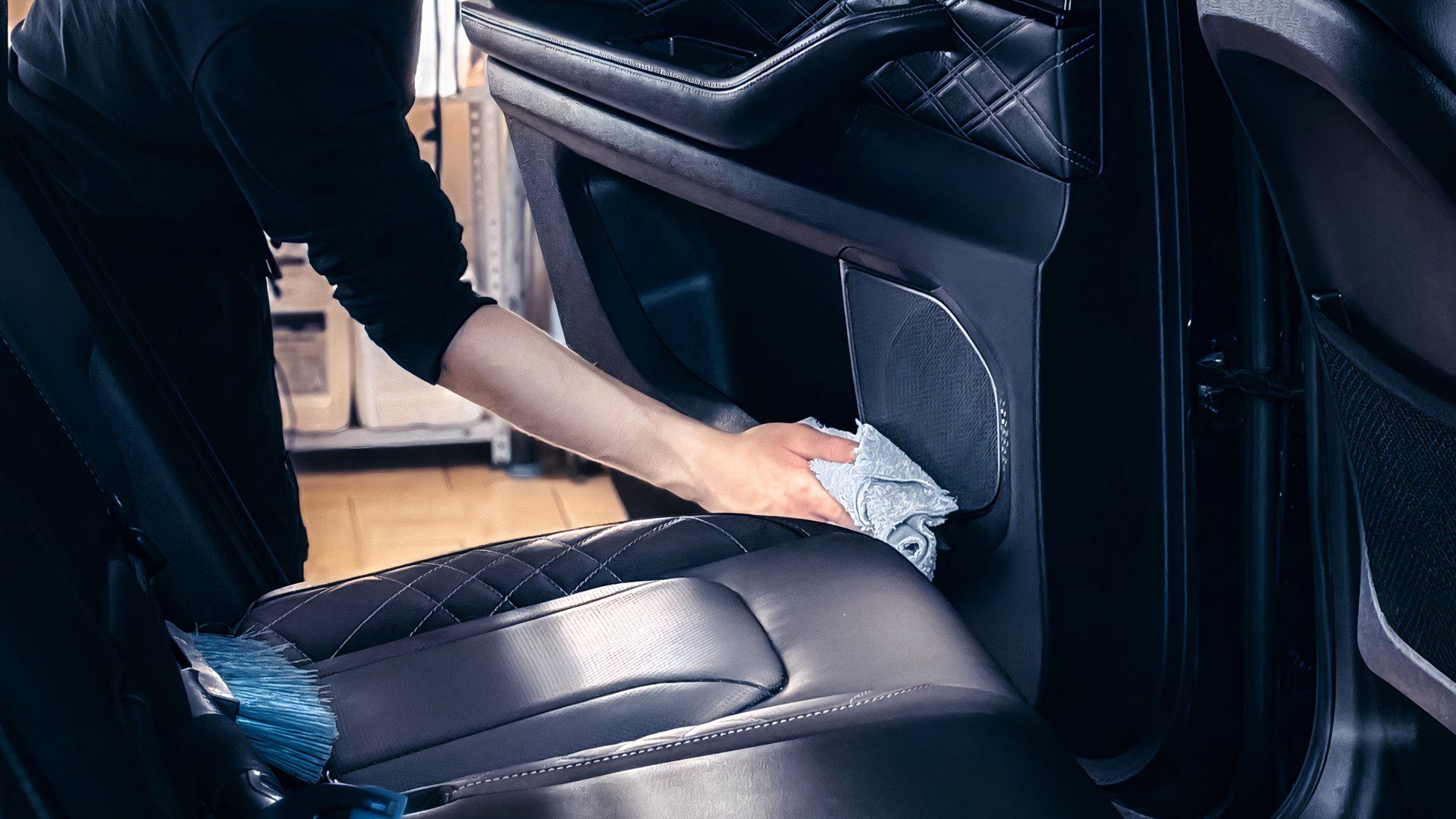
Many car owners unknowingly damage their leather seats while trying to protect them. Using the wrong tools or chemicals can turn a premium cabin into a cracked, peeling mess, hurting resale value. This guide walks through the correct process, but always check your owner's manual and spot-test any product first.
Step 1: Vacuum loose debris using a soft-bristled brush attachment, not a hard plastic nozzle. Grit and sand act like tiny blades, grinding into the leather's finish each time someone sits down.
Step 2: Pull leather panels apart at seams and bolsters to expose hidden dirt. These tight areas collect dust and dead skin, which can cut stitching over time. Pay special attention where the seat back meets the cushion.
Step 3: Avoid household cleaners like dish soap, degreasers, or alcohol wipes. These alkaline products strip natural oils, causing leather to dry out, harden, and crack. Use a dedicated pH-balanced automotive leather cleaner instead. Some DIY options like baking soda, castile soap, rubbing alcohol, or vinegar exist, but seek professional advice before trying them.
Step 4: Test any cleaner on an inconspicuous spot, like the lower side bolster. Apply a drop, wipe with a white microfiber cloth, and check for dye transfer. If color comes off, stop immediately.
Step 5: Never spray cleaner directly onto seats. Liquid can pool in seams and soak into foam padding, leading to mold and odors. Instead, spray three to four pumps onto a soft-bristled brush.
Step 6: Work in small, overlapping circles with gentle pressure. Let the cleaner's surfactants lift dirt rather than scrubbing hard, which can damage the topcoat permanently.
Step 7: Wipe away the foam immediately with a dry, high-GSM microfiber towel before it evaporates. Wipe in straight lines and turn the towel frequently. The panel should feel smooth and dry, not tacky.
Step 8: For heated or ventilated seats, use half the cleaner and keep the brush barely damp. Excess liquid can clog micro-perforations, damage heating elements, or cause electrical shorts.
Step 9: After cleaning, apply a premium leather conditioner to restore moisture and provide UV protection. Park in a shaded area and let it cure.
Step 10: After 10 to 15 minutes, buff off any excess conditioner with a fresh dry towel. Factory leather has a matte finish, not a glossy one. Leftover product attracts dust and transfers to clothing.
Source: CarBuzz
Plain-English guides to common problems and what they cost in Boca Raton, plus local shops.