How a Toyota Camry Engine Became the Heart of Lotus’s Comeback
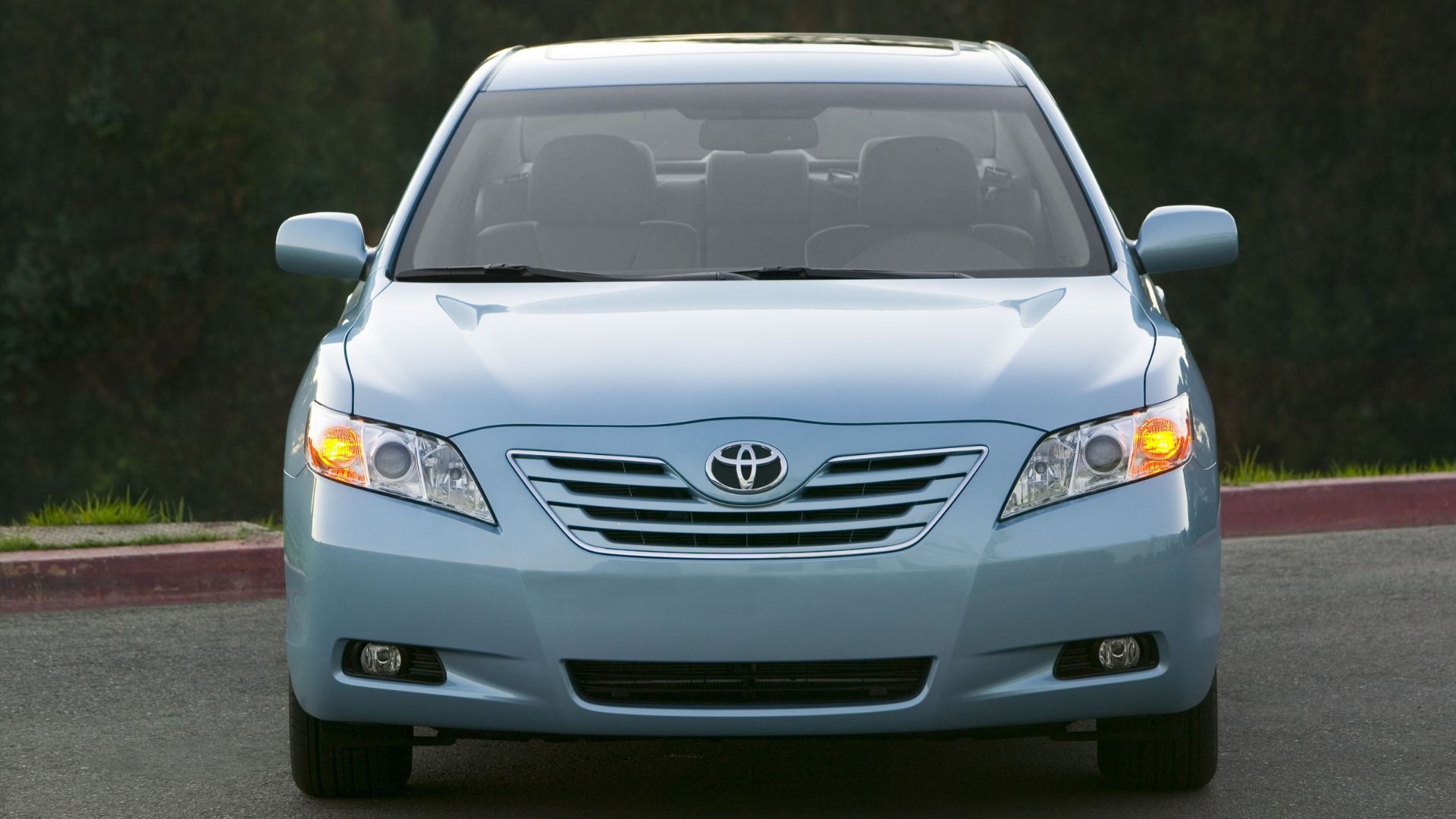
Lotus has always been about the bends, not the straights. Founder Colin Chapman’s mantra, 'simplify, then add lightness', gave the world cars that could dance through corners but rarely wowed anyone with raw power. That worked beautifully until the competition got faster and Lotus realized it couldn’t ignore straight-line speed forever.
The solution? Borrow an engine from a car you’d never expect: the Toyota Camry.
The turning point came with the Elise. Lotus poured every penny into making that chassis sing, using a cheap Rover K-Series engine to keep costs down. It paid off, the Elise became the brand’s best-seller. But Rover’s engine had a nasty habit of blowing head gaskets, and in an era where reliability was table stakes, Lotus needed a new partner.
It turned back to Toyota, with whom it had worked on the MR2 in the 1980s, and struck a deal to use the bulletproof 2ZZ-GE inline-four. That engine eventually powered the Elise 111S and the track-ready Exige, giving Lotus the dependability it desperately needed.
By the late 2000s, Lotus wanted a grand tourer, the Evora, that blended comfort with its trademark handling. It needed more power and refinement, so it went back to Toyota for the 2GR-FE V6, an engine designed for the Camry, Avalon, and RAV4. Lightweight aluminum internals, forged crankshafts, timing chains, and Toyota’s VVT-i system made it durable enough to last 200,000 miles.
Lotus tuned it with its own ECU and exhaust, then strapped on a supercharger for the Evora S, bumping output from 276 to 345 horsepower. 8 seconds, all while being practically bulletproof.
The partnership saved Lotus from its reputation for building unreliable cars and gave Toyota access to Lotus’s lightweight chassis expertise, even helping tune the Yaris GRMN. But the relationship is winding down. The Emira, launched in 2022, still uses the supercharged V6, but a Geely-developed hybrid V6 will replace it by 2027.
Still, for nearly two decades. Toyota’s humble Camry engine proved that sometimes the best performance part is the one you didn’t have to build yourself.
Source: CarBuzz
Plain-English guides to common problems and what they cost in Boca Raton, plus local shops.