How a Desperate Gamble Saved GM’s Heavy-Duty Truck Line
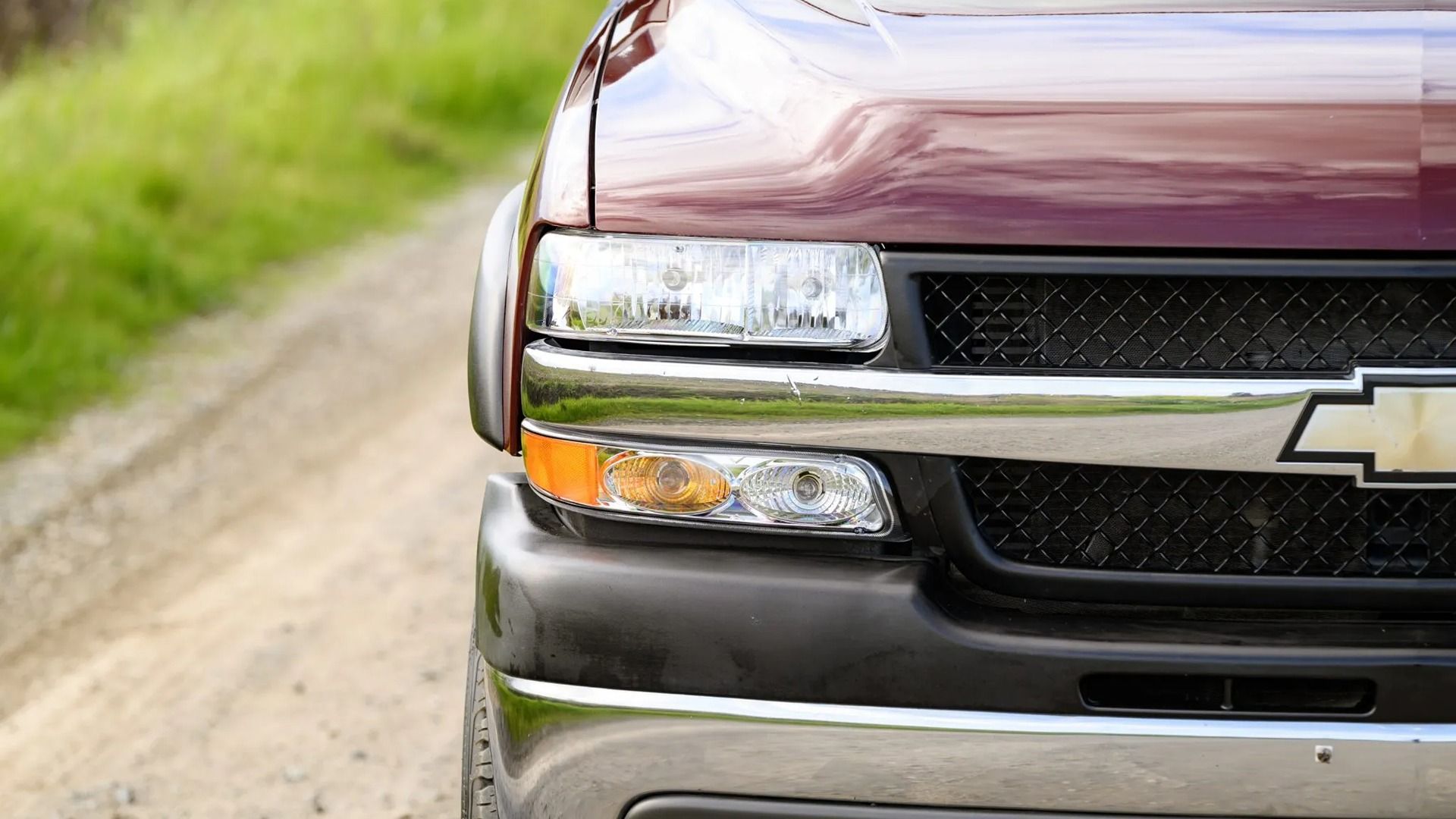
By the late 1990s, General Motors was in serious trouble in the heavy-duty pickup market. Its diesel engine had fallen years behind the competition, and the numbers were brutal: GM held just three percent of the heavy-duty diesel segment. 9-liter Cummins inline-six. GM’s truck division was bleeding customers, and the next-generation Silverado and Sierra were due in just a few years.
The company needed a miracle, or at least a brand-new engine, fast.
So GM executives took a gamble that seemed crazy at the time. They partnered with Japanese diesel specialist Isuzu, forming a joint venture called DMAX Ltd in Moraine, Ohio. The goal: design a clean-sheet, high-tech V8 in just 37 months. Every old tool was scrapped. The team went with lightweight aluminum cylinder heads, a cast-iron block, and something no American diesel had used before: a Bosch high-pressure common-rail fuel injection system pushing 23,000 psi.
6-liter Duramax LB7, which launched in 2001 with 300 horsepower and 520 lb-ft of torque, class-leading numbers that shocked Ford and Dodge.
The Duramax didn’t just save GM’s truck division; it rewrote the rules. It was quiet, smooth, and started instantly in sub-zero weather, with no black smoke at idle. Paired with an Allison 1000 five-speed automatic, it turned the heavy-duty pickup into a refined daily driver that could still haul a house.
GM’s market share jumped from three percent to over 30 percent almost overnight. Today, early Duramax engines, especially the LB7 and the legendary 2006 LBZ, are icons. Built before complex emissions systems like DPFs and DEF, they run cooler, breathe easier, and remain a favorite for owners who want modern power without the headaches.
Source: HotCars
Plain-English guides to common problems and what they cost in Boca Raton, plus local shops.