How a Ball Bearing Giant Gave Birth to Volvo a Century Ago
If you've ever replaced a wheel bearing or a transmission seal, chances are the part came in a box marked with the letters SKF. That company, founded in 1907, is the world's largest bearing maker and one of Sweden's biggest firms. In 1926, SKF was so successful that it built an entire car company inside its own structure.
Volvo, Latin for "I roll," a nod to bearings, started as an SKF project and became a standalone company by 1935.
The idea came from Assar Gabrielsson, SKF's head sales manager, who proposed building 10 experimental cars using existing SKF parts. He offered to pay for them himself, but the SKF board agreed to build the cars and told him that wasn't necessary. They saw it as a chance to study how their products held up in the growing auto market.
The name Volvo had actually been used by SKF for a bearing spinoff back in 1915, but World War I halted car production, and the name was shelved until Gabrielsson revived it.
Gabrielsson was a salesman, not an engineer, so his friend Gustaf Larson handled the engineering. Larson later wrote that Gabrielsson made heavy financial sacrifices but kept SKF believing in the project. The first prototype, named Jakob, appeared on July 25, 1926, Saint Jacob's Day.
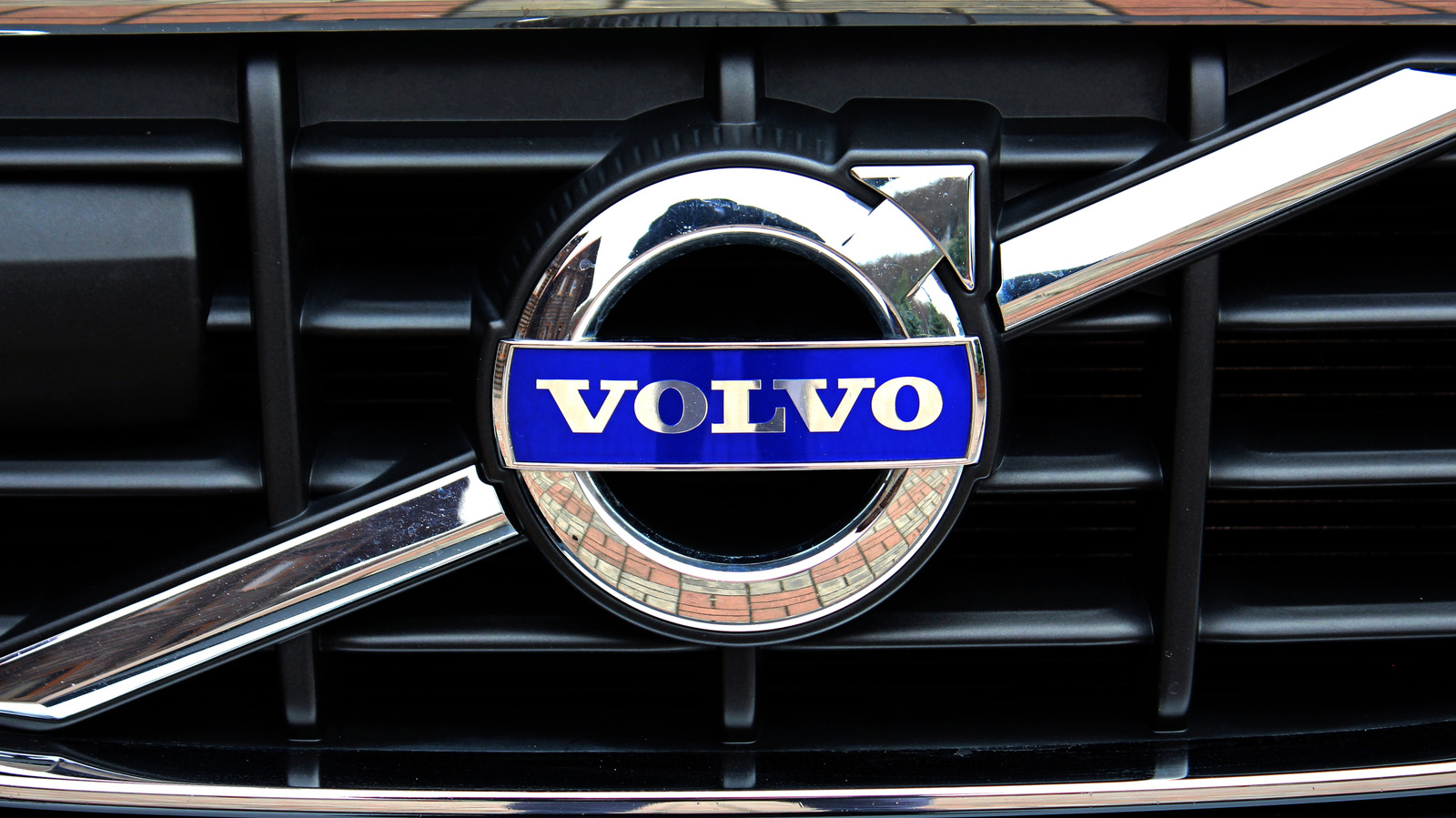
The first production model, the ÖV 4, rolled out eight months later, powered by a 28-horsepower four-cylinder and built on a wooden frame. It also carried the symbol of Mars, linking to Swedish iron and ideas of strength.
The open-top car struggled in Sweden's cold climate, so Volvo added a closed-top version, the PV4. Nearly 1,000 of both models were built between spring 1927 and the end of 1929, with most being the closed-top PV4. SKF increased its investment, and Volvo began exporting to Europe and building trucks.
In 1935, SKF decided Volvo was self-sufficient and spun it off as an independent public company.
After going independent, Volvo bought its engine supplier, Pentaverken, and later became majority owner of Swedish engineering firm Svenska Flygmotor, renaming it Volvo Aero. Today, Volvo is majority-owned by China's Geely Holdings and still builds cars, heavy trucks, and pleasure boats.
It started as a gamble by two men at a ball-bearing company, and a century later, it's still rolling.
Source: Jalopnik
Plain-English guides to common problems and what they cost in Boca Raton, plus local shops.