How a 2008 BMW Transmission Quietly Revolutionized the Auto Industry
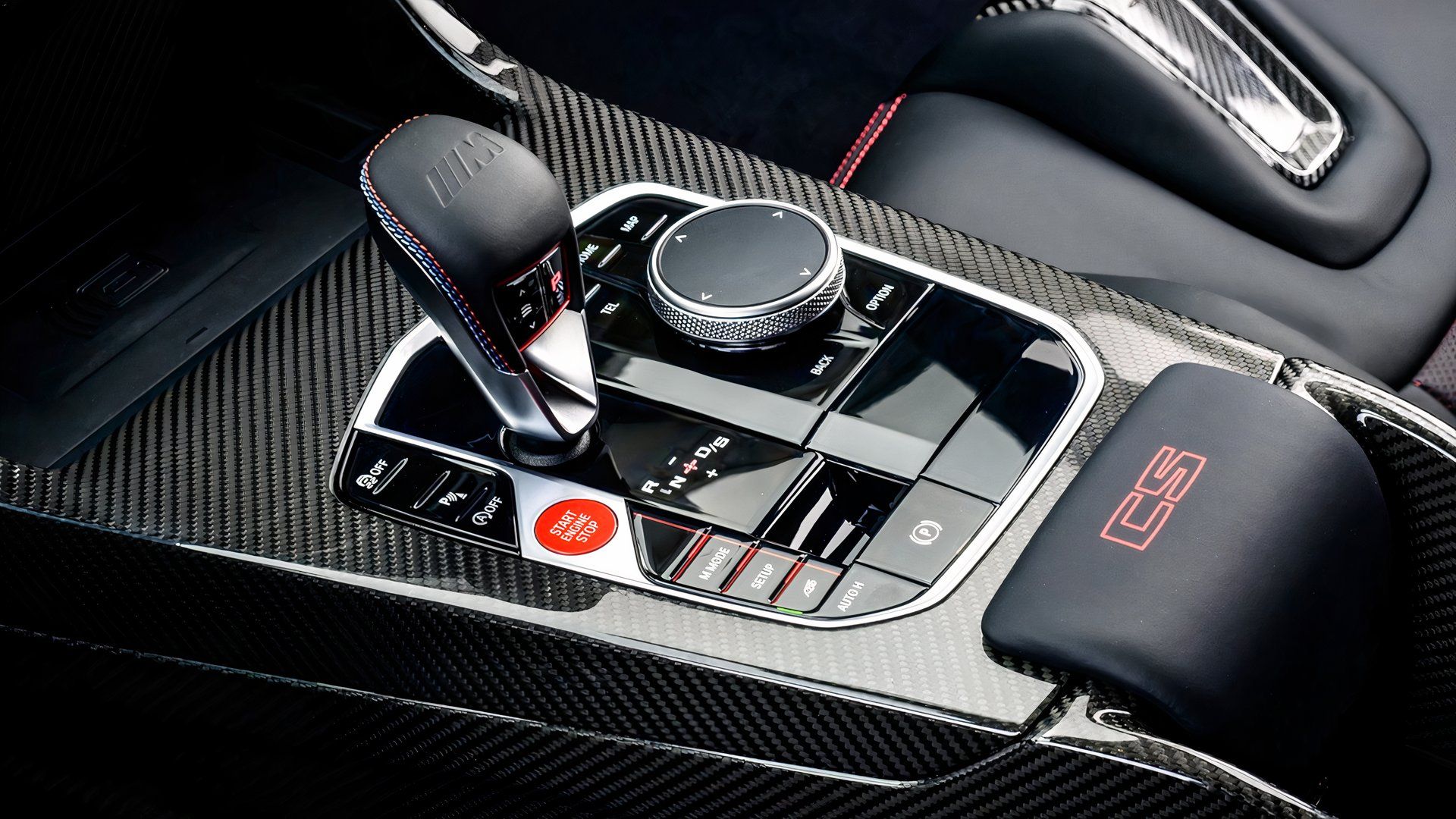
In 2008, when BMW slipped a new eight-speed automatic into its flagship 7 Series sedan, few predicted it would become the most widely adopted gearbox of the modern era. The ZF-8HP debuted in the 760Li, paired with a V12 engine, and immediately changed what drivers and automakers expected from an automatic transmission.
Before this, automatics from the 2000s were often clunky, unreliable, and avoided by performance enthusiasts who preferred dual-clutch units like those in the Bugatti Veyron or Golf R32. The ZF-8HP flipped that script.
What made this transmission special was its clever design: a unique gearset that added two more speeds without increasing size or weight over the six-speed it replaced. It was lighter, smoother, and more fuel-efficient right out of the gate. ZF refined it in 2010 with stronger internals, then again in 2014 with a wider gear ratio span, better stop-start tech, and an adaptive shift strategy.
Later versions accommodated hybrids and electric drives. As ZF board member Michael Hankel put it, the goal was to build a modular transmission that worked for everything from a grocery-getter to a supercar.
The proof is in the adoption. BMW swapped its beloved M5 from a dual-clutch to the ZF-8HP in 2018, and the car didn't miss a beat. Today, the gearbox appears in everything from Dodge Chargers and Ram pickups to Porsche Panameras, Aston Martins, and Lamborghinis. Its torque converter locks up early for crisp shifts while a twin-damper system keeps low-speed driving smooth, areas where dual-clutches often falter.
Reliable, efficient, and easy to integrate, the ZF-8HP has become the benchmark that other automatics are measured against. And with ongoing updates for electrification, it shows no signs of retiring.
Source: CarBuzz
Plain-English guides to common problems and what they cost in Boca Raton, plus local shops.