Full Synthetic Oil: Smart Investment or Waste of Cash?
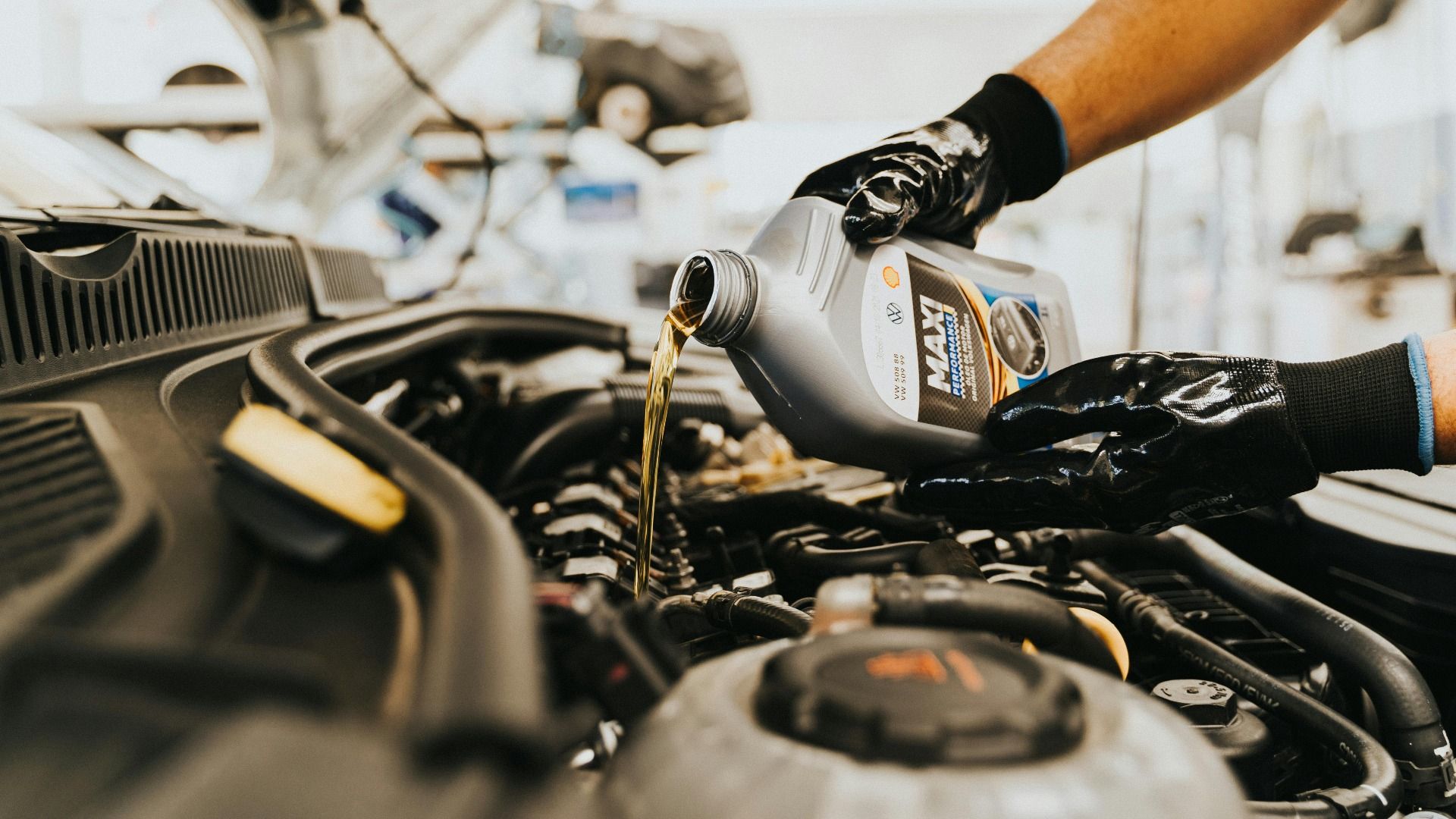
Walk into any auto parts store and the oil aisle can feel overwhelming. Rows of bottles, different viscosity numbers, and labels promising everything under the sun. But the real question most drivers ask is simple: What oil does my car actually need? The answer matters more than you might think, because picking the wrong one can lead to costly engine trouble down the road.
Let's cut through the confusion.
Conventional oil, the original stuff refined from crude, still works fine for older, simpler engines that see light duty. But for the vast majority of cars built in the last 15 years, manufacturers have moved on. Full synthetic oil is engineered at the molecular level for a uniform structure that resists heat, fights sludge, and flows better in cold weather.
That means cleaner internals, longer intervals, some cars can go 10,000 miles between changes, and superior protection for modern turbocharged engines and variable valve timing systems. Synthetic blends sit in the middle, offering a step up from conventional at a lower cost than full synthetic.
So is full synthetic worth the premium? For most drivers, yes. It lasts longer and protects better, which can actually save money over time. The one catch: if your older engine has built up deposits from years on conventional oil, switching to full synthetic might dislodge those deposits and cause leaks.
In that case, a high-mileage synthetic blend is often the smarter play. And no, switching between oil types won't damage your engine, just stick with the viscosity and API rating your owner's manual recommends. That manual, by the way, is still your best guide.
Source: CarBuzz
Plain-English guides to common problems and what they cost in Boca Raton, plus local shops.