From Blueprint to Boost: Why Turbos Took Decades to Reach Your Car
If you drive a turbocharged Mercedes, BMW, Audi, Porsche, VW, Volvo, Jaguar, Lexus, Toyota, or Honda—and odds are good you do—you’re benefiting from an idea that was patented way back in 1905. But it took nearly 60 years before that idea showed up under a production hood. The holdup wasn’t a lack of ambition.
It was a lack of materials that could handle the heat and pressure.
Swiss engineer Alfred Büchi figured out that exhaust gases could spin a compressor to force more air into an engine, making more power. But the metals and bearings of his day simply couldn’t take the punishment. Early turbochargers worked in brief bursts—like the Liberty V-12 that set a world altitude record in 1920—but they’d fail under steady use.
It wasn’t until World War II pushed metallurgy forward that we got stainless steel housings and lightweight turbine wheels tough enough for daily driving.
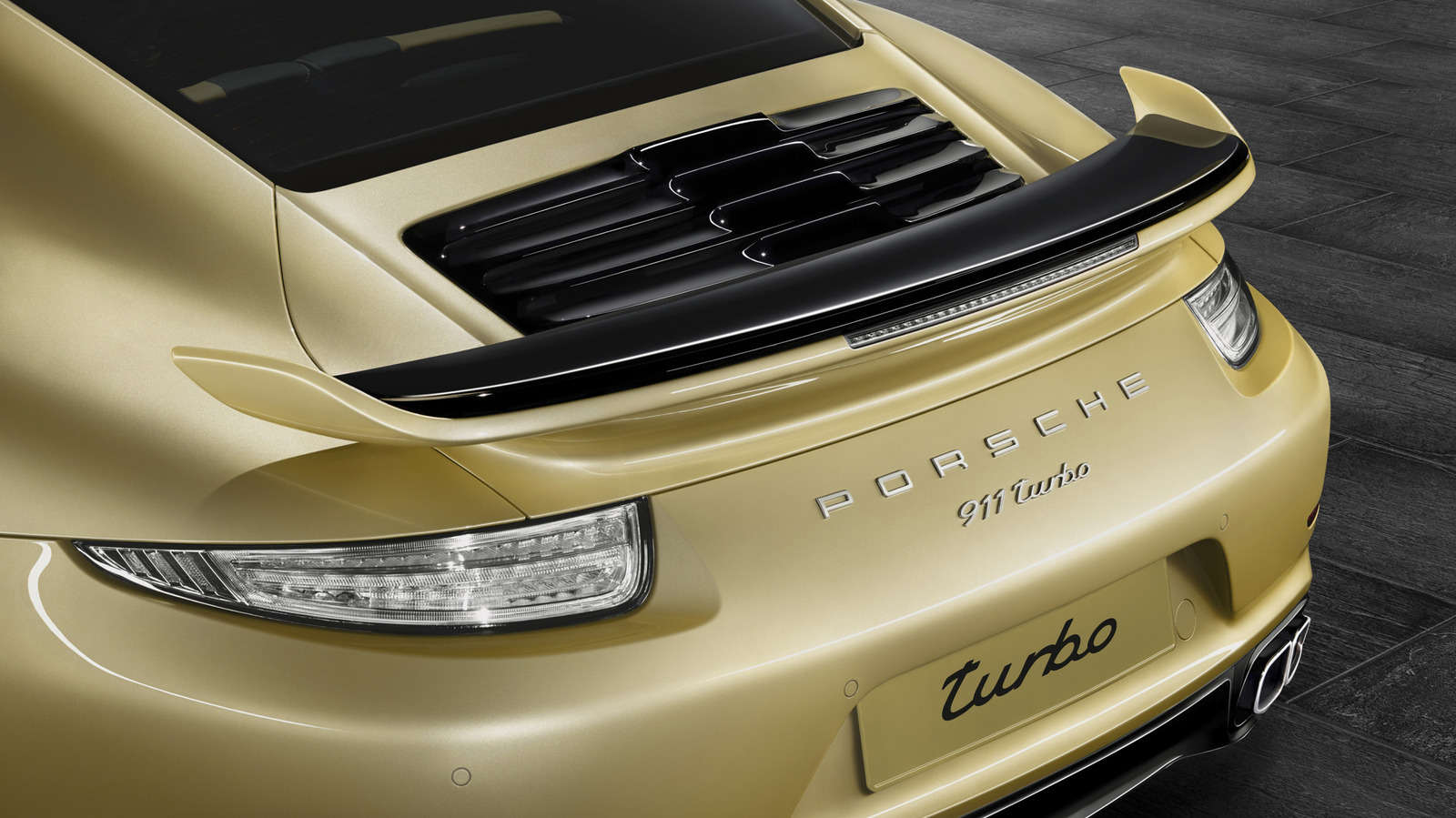
By the 1970s, Porsche proved the turbo could be reliable and thrilling, first on the track with the 917/30 and then on the road with the legendary 911 Turbo. Today, turbos are common in everything from a Honda Accord to a Volvo XC90, boosting fuel economy without sacrificing power.
What does this mean for you? Modern turbos are far more durable than those early designs, but they still need proper maintenance—clean oil, regular intervals, and attention to cooling. If you’ve got a European or Japanese car with a turbo, bring it by our family-run shop in Boca Raton.
We’ll make sure your boost is working the way it should, so you can keep enjoying the drive.
Source: Jalopnik
Plain-English guides to common problems and what they cost in Boca Raton, plus local shops.