Former Caterpillar Engineer Explains Why Inline-Six Engines Beat V Engines for Hard Work
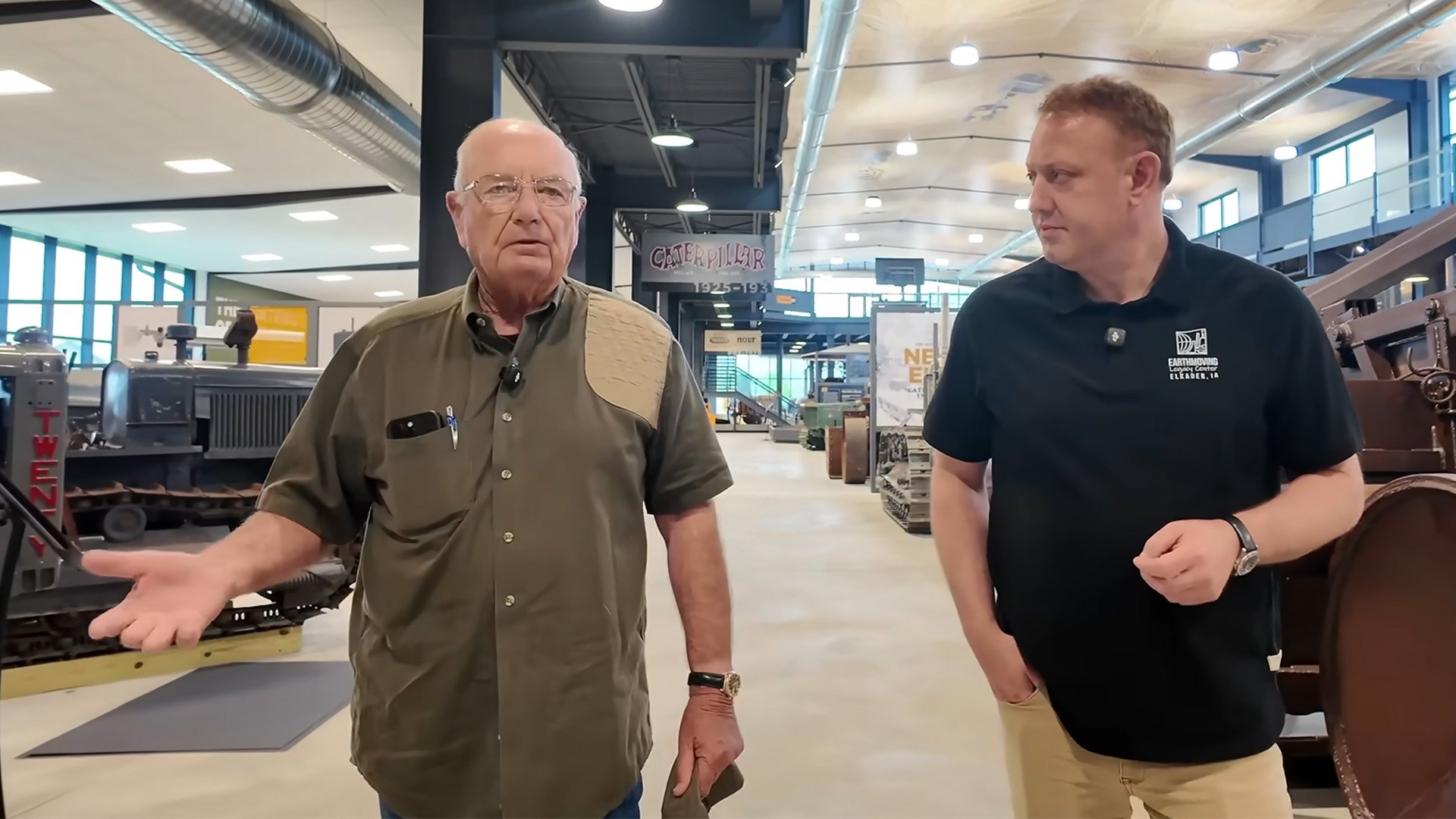
For decades, the big question in heavy-duty engine layouts was inline-six versus V-type. Jim Coles, a former Caterpillar engineer and longtime semi truck dealer, has a clear answer. Coles started at Caterpillar in 1966, opened a Peterbilt store in 1973, and spent the next four decades building a network of 18 locations.
In a 25-minute interview posted by the Earthmoving Legacy Center in Elkader, Iowa, Coles recalled Caterpillar's early work on purpose-built engines, many for off-highway use. He said the inline-six was prized because it was naturally balanced, simpler to cool, and a better canvas for adding components like turbochargers or emissions equipment.
Coles pointed to the Caterpillar 3406 as a standout. That 14.6-liter, or 893-cubic-inch, engine family stayed in production from 1973 to 2007. Known internally as VITEL, for 'vehicle industrial truck engine line,' it worked in earth-moving equipment, stationary applications, marine environments, and semi-trucks.
He also acknowledged that V engines were tried, including Caterpillar's 90-degree RM180 and 3408. ' Noting that inline-sixes now cover up to 1,100 hp, he said older V engines like the Cummins 903, Cummins 555, Caterpillar 3208, and Detroit 8V71 and 8V92 are gone.
Source: The Drive
Plain-English guides to common problems and what they cost in Boca Raton, plus local shops.