Exhaust Pipe Shapes Put to the Test: Dyno Results Show What Really Works
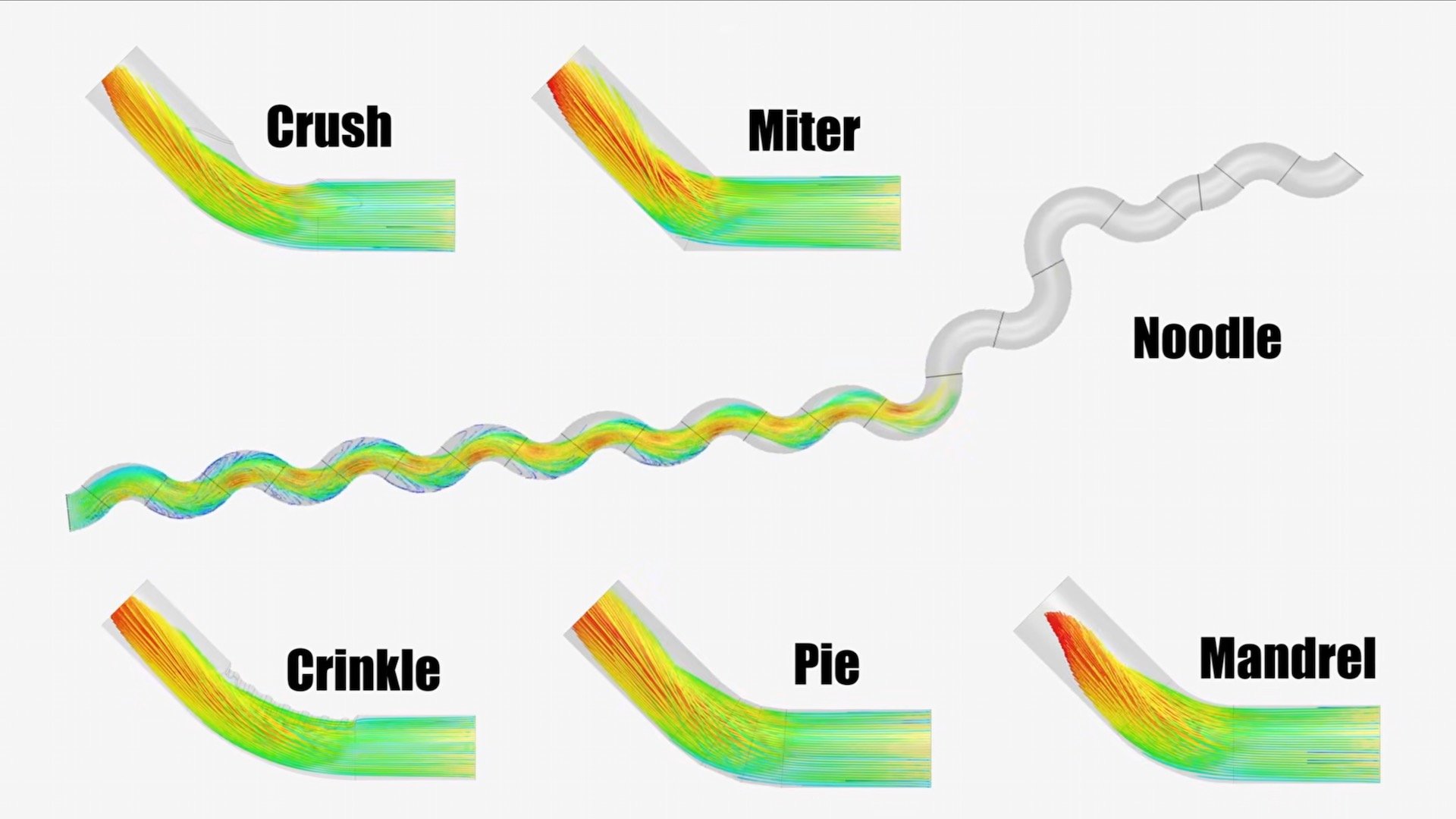
A new dyno test from The Fabrication Series YouTube channel set out to answer a simple question: which exhaust pipe shape performs best? Justin, the channel's host, built seven different exhaust systems and ran them on a dyno using a Mitsubishi Lancer Ralliart as the test car. He measured horsepower, back pressure, and noise, and also used a thermal imaging camera to track hot spots.
The goal was to see how pipe shape affects exhaust flow and engine performance.
The industry-standard mandrel bend served as the control. 4 decibels of noise. 71 psi but matched the power output and were slightly quieter, likely because of the aluminized steel used in their construction.
2-inch. Both made about 1 horsepower more than the control, though the smaller version had significantly more back pressure. 3 hp, despite having higher back pressure than most other options. The difference between bends and joints was minor compared to the benefit of avoiding bends altogether.
83 psi, and thermal imaging showed slow-moving gases with big temperature differences along its length. 4 hp to the control. 77 decibels.
The horsepower and noise differences were small because the Lancer Ralliart doesn't produce much power to begin with, but the back pressure numbers revealed the real story. Unconventional shapes restrict airflow and dampen performance, which is why they're not commonly used. For anyone looking to add power without complex fabrication, straight pipes work best, if noise isn't a concern.
Source: The Drive
Plain-English guides to common problems and what they cost in Boca Raton, plus local shops.