Diesel Versions of Audi TT and Mercedes SLC Didn't Win Over Sports Car Buyers
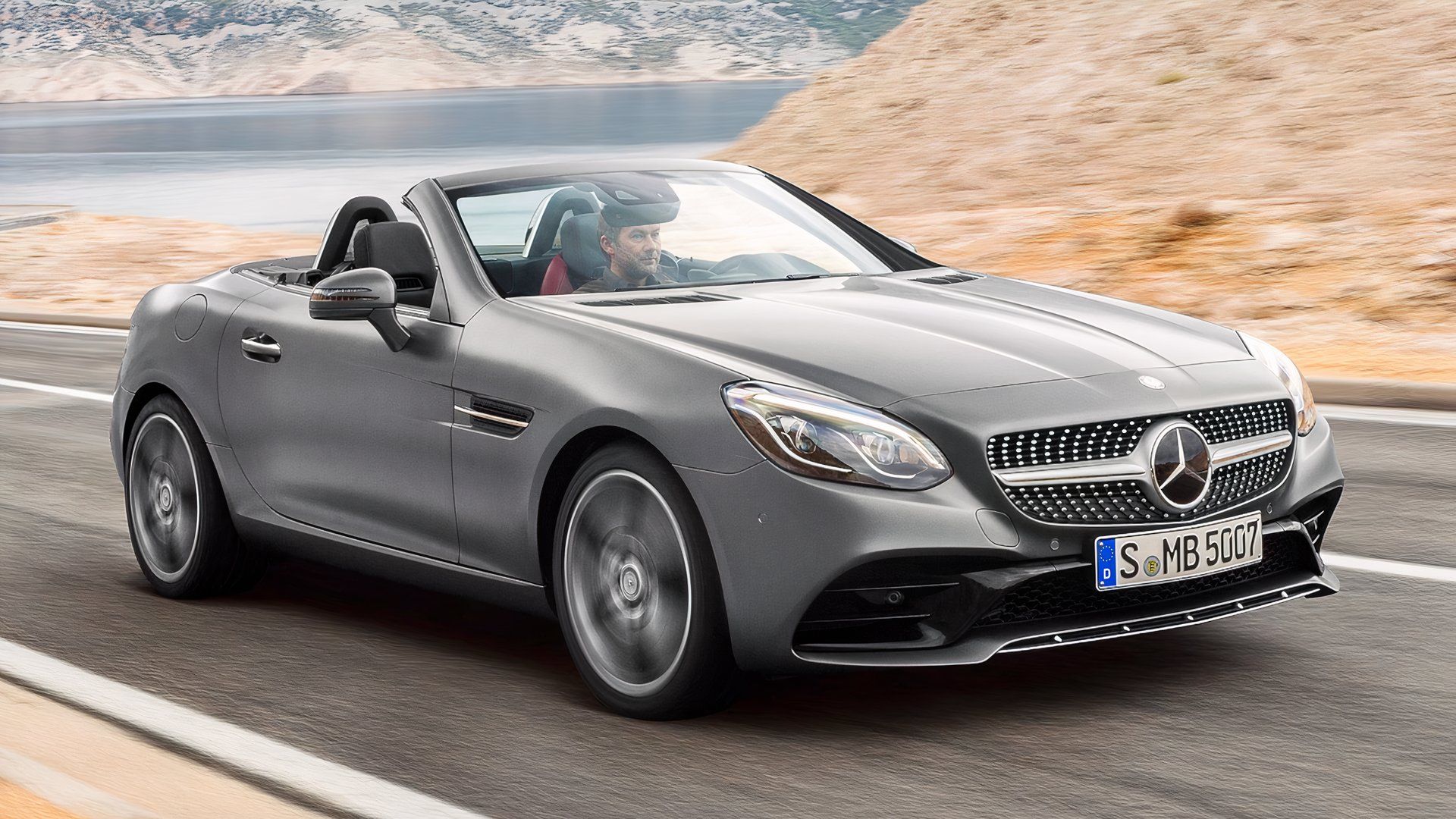
Audi and Mercedes-Benz both tried offering diesel-powered sports cars, but the experiment fizzled out because buyers cared more about driving fun than fuel economy.
Audi launched the TT TDI in Europe in 2009. 0-liter turbodiesel with 165 hp, Quattro all-wheel drive, and a six-speed manual. When the third-generation TT arrived in 2015, the diesel output rose to just over 180 hp, and automatic and front-wheel-drive choices were added later. The diesel TT was efficient, averaging around 60 mpg compared with 40 mpg for the gas FWD model and producing less CO2, but it was also about 45 hp down on the gas TFSI, weighed 88 pounds more, and took over a second longer to reach 60 mph.
By the late 2010s only about 16 percent of UK buyers chose the diesel TT. Audi dropped it in 2019, though the TT itself continued with gas engines until 2023.
Mercedes did something similar when the third-generation SLK was facelifted and renamed SLC for 2016. 1-liter turbodiesel with 204 hp and 368 lb-ft of torque, driving the rear wheels through a nine-speed automatic. 6 seconds, slightly quicker than the SLC 200, and returned roughly 70 mpg versus 47 mpg for comparable gas cars.
The SLC was retired in 2020.
The diesel engines were heavy, made both cars more prone to understeer, and offered a narrow powerband, with peak torque arriving at 2,000 rpm and running out of breath at 4,200 rpm. The clattery sound also failed to inspire, especially with the SLC's roof down. Post-Dieselgate fallout may have played a part in the poor sales, but the core problem was simple: a sports car is supposed to be fun, and the diesel versions didn't deliver that.
Source: CarBuzz
Plain-English guides to common problems and what they cost in Boca Raton, plus local shops.