Corvette's Mid-Engine Shift: A Decades-Old Dream Finally Realized
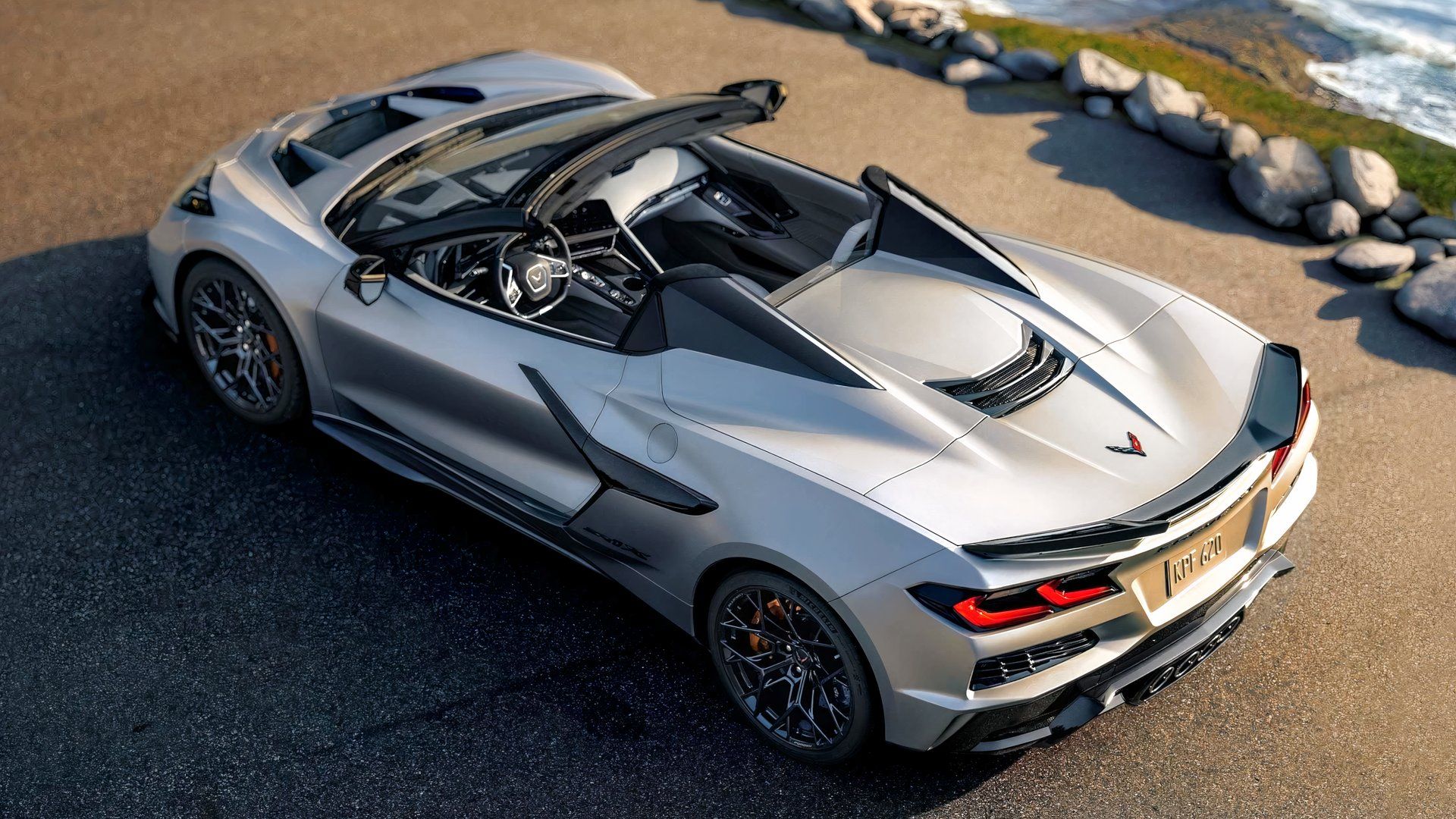
The move to a mid-engine layout for the Corvette wasn't a sudden decision made after the C7's debut, it was a goal pursued for nearly 50 years. Back in the 1950s, Zora Arkus-Duntov wanted Corvettes with rear-mounted engines, but corporate leaders resisted because such cars weren't seen as profitable.
Despite that, mid-engine concepts were developed in parallel with almost every generation of the production car. The dream finally came true in 2019 with the C8, even though some purists argued it broke with Corvette tradition.
For decades, the Corvette was known as a front-engine American sports car, starting with the C1's straight-six and evolving through seven generations with V8 power. The first mid-engine concept, CERV 1, appeared in 1959 but looked nothing like a road car.
By the time the C7 ZR1 launched in 2019 with 755 horsepower, the front-engine platform had reached its limits. Engineers believed a mid-engine design would improve dynamics, traction, and overall performance, and testing proved them right.
The C8 Stingray debuted with a 490-495 horsepower V8 and an 8-speed automatic, a decision that disappointed some fans who wanted a manual gearbox. Still, the C8 has outsold the C7 and attracted younger buyers, with GM saying it's the top sports car among those under 35.
The mid-engine Corvette wasn't a break from heritage, it fulfilled a vision that started with Arkus-Duntov. Prototypes like CERV II, Astro II, and XP-895 were built in secret over the years, many never reaching the public. The C8 carries that legacy forward, finally allowing the Corvette to compete at the level its creators originally intended.
Source: CarBuzz
Plain-English guides to common problems and what they cost in Boca Raton, plus local shops.