Chevy Blazer vs. Trailblazer: Which One Holds Up Better Over Time?
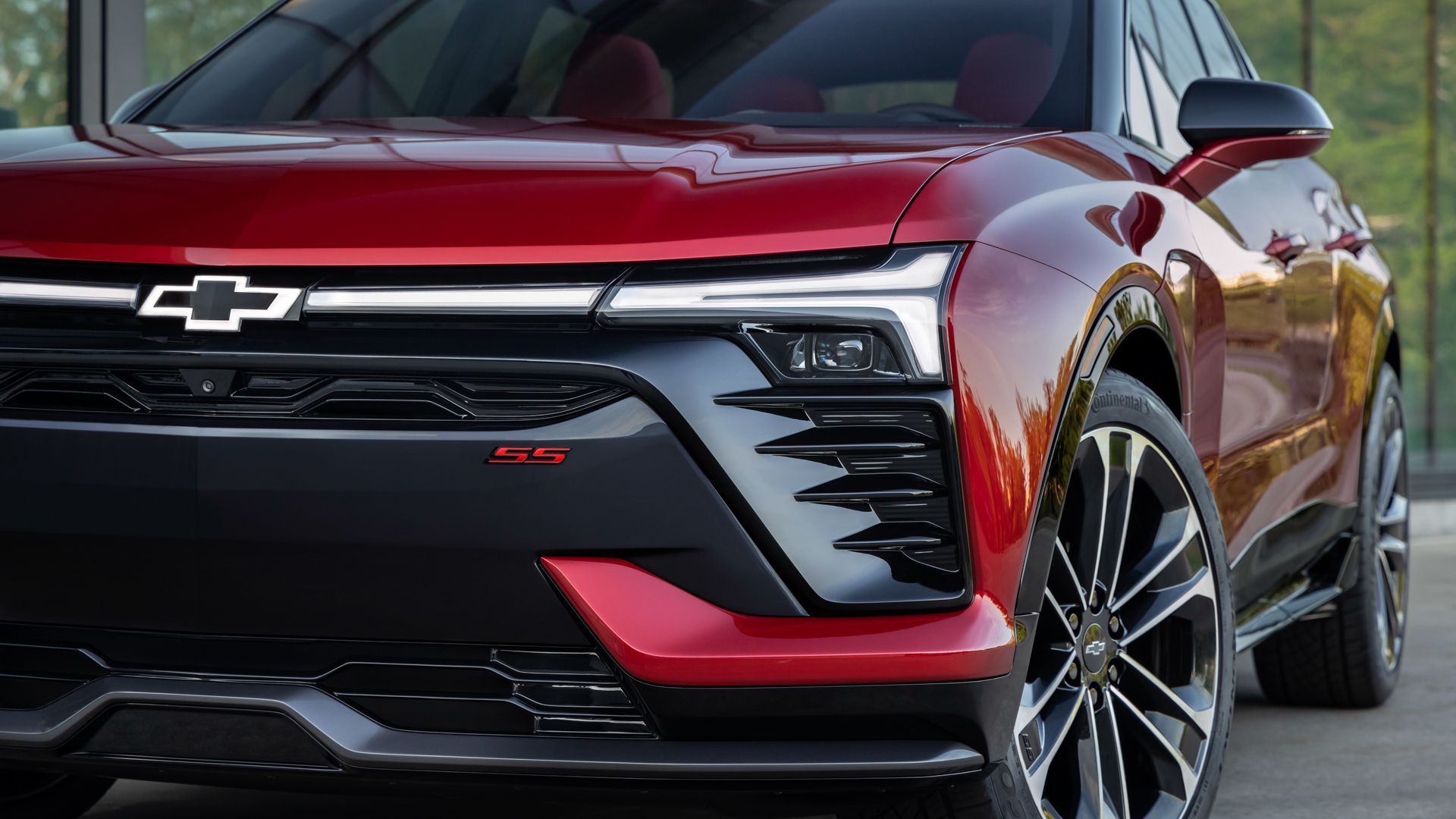
If you're shopping for a Chevy SUV, the choice between the Blazer and Trailblazer often comes down to more than just size or price. Long-term reliability tells the real story. Both nameplates have had their ups and downs, and knowing which model years to trust, and which to avoid, can save you a lot of headaches down the road.
D. Power, Consumer Reports, and NHTSA reveals about each.
The current fifth-generation Blazer (2019, present) got off to a rocky start. The 2019 model scored just 2 out of 5 from Consumer Reports, with owners complaining about a persistent "Shift to Park" error, thermostat failures between 30,000 and 60,000 miles, and steering system glitches.
D. Power score of 85/100 and zero recalls. The 2026 Trailblazer, meanwhile, scores even higher at 88/100, with its small turbocharged engines proving durable when maintained properly. Earlier Trailblazer models (2021-2025) had issues with ignition failures, infotainment lag, and high-speed cabin vibrations, but those have largely been resolved.
For older generations, the story is more mixed. The fourth-gen Blazer (1995-2005) suffers from age-related problems like fuel pump failures, cooling system cracks, and ABS module issues. The first-gen Trailblazer (2002-2009) had structural weld recalls, electrical gremlins, and transfer case troubles that demand careful maintenance.
If you're buying used, service records are everything. Both SUVs can be reliable if you pick a good year and keep up with maintenance. The Blazer offers more space and a V6 option, while the Trailblazer is smaller, more efficient, and starts about $11,000 less. Either way, you're getting a solid Chevy, just know which generation to look for.
Source: CarBuzz
Plain-English guides to common problems and what they cost in Boca Raton, plus local shops.