Can Lexus Recreate the LFA Magic Without Its Legendary V10?
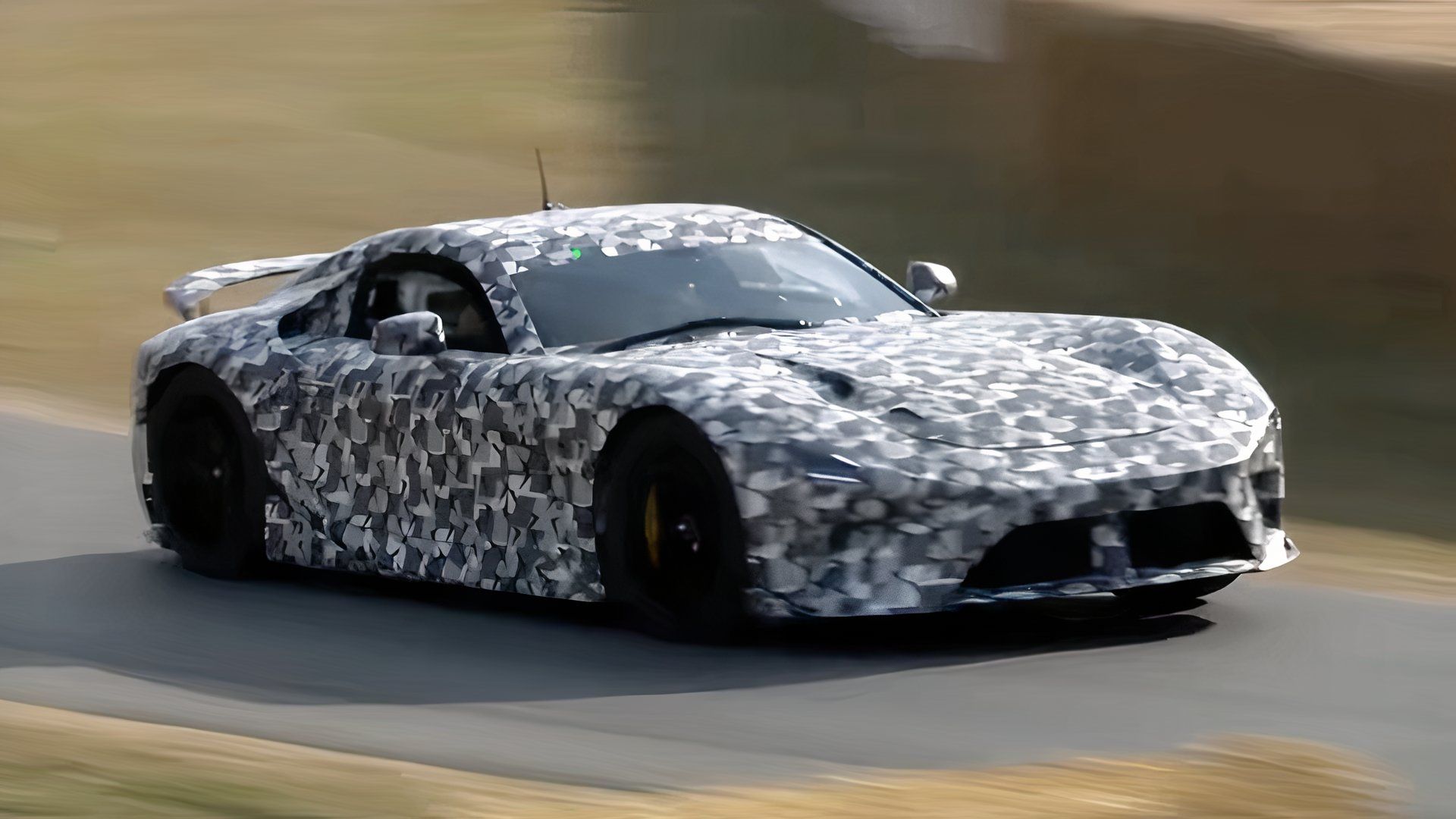
The long-awaited successor to Lexus’s iconic LFA supercar just made a surprise appearance, reigniting excitement among enthusiasts. According to a new report from Autocar, Lexus has confirmed the car is “almost ready”, and with that update comes a provocative claim: the electric version will deliver the same driving sensation as the original, even without the screaming V10 that defined it.
8-liter, Yamaha-developed engine was less a powerplant and more a sensory event, revving to 9,000 rpm with a digital tachometer because analog needles couldn’t keep up.
The original LFA wasn’t just fast, it was an analog masterpiece. Its carbon-fiber chassis kept weight to just 3,263 pounds, while hydraulic steering and a near-perfect 48/52 weight distribution gave drivers feedback that modern cars have traded for comfort. Priced at over $375,000 new, it now trades above $1 million, proof that its feel hasn’t been replicated.
Lexus now says the new model, expected around 2027, will win over EV skeptics by mimicking that experience using motors and batteries. But the company hasn’t shared the technical details, motor count, torque shaping, or haptic feedback, that would back up the claim.
Electric powertrains do offer real advantages: instant torque, a lower center of gravity, and precise weight distribution. But the sensation gap runs deeper than sound. A high-revving engine communicates through vibration, chassis tension, and the physical effort of keeping a rear-drive car in check.
To earn the LFA name, Lexus would need hydraulic-grade steering, a chassis that transmits road feel, and some honest answer to the acoustic question, even if that answer acknowledges the sound is gone. The original’s legacy is secure. The new car just needs to prove it belongs in the same sentence.
Source: HotCars
Plain-English guides to common problems and what they cost in Boca Raton, plus local shops.