California becomes first US state to mandate energy-efficient replacement tires
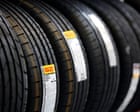
California has become the first state in the nation to require that replacement tires meet energy efficiency standards, a move that regulators say will cut emissions and save drivers money but has drawn sharp criticism from industry groups and conservatives.
The new rules, approved unanimously this week by the California Energy Commission, mean replacement tires must be at least as efficient, on average, as those sold on new vehicles. The commission says drivers typically lose mileage or electric range when they swap out original tires, which have low rolling resistance, for older or less efficient replacements.
The first phase of the regulations takes effect in 2029, with a stricter second phase set for 2033. The commission estimates the standards will save California drivers nearly $1 billion per year in fuel and electricity costs and cut carbon dioxide emissions by 2 million metric tons annually, roughly the equivalent of taking 400,000 gasoline cars off the road.
Environmental and clean-air advocates praised the decision, hoping other states will follow. Bill Magavern, policy director for the Coalition for Clean Air, said the rules are especially significant because they don’t require federal approval, given the Trump administration’s repeated attacks on California’s green transportation measures.
He said the policy will reduce harmful emissions and save money for drivers facing high fuel costs.
Michelin supported the regulations, saying they align with the company’s approach to reducing tire impact across the lifecycle without compromising safety. But other manufacturers, including Goodyear, Yokohama, and the California Tire Dealers Association, objected in an April letter, warning that replacement tires could cost $6 to $10 more each and that phase two tires could run hundreds of dollars more per set.
Conservative outlets called the policy a “massive regulatory overreach,” and some drivers and business owners voiced concerns about higher prices. 50 in phase two, while a typical gasoline car would save $179 on fuel over the life of the tires, about seven times the added cost. With gas prices elevated this year due to the US-Israel war with Iran, savings could be 25% higher than estimated.
California first passed a bill requiring tire standards in 2003 but paused work while waiting for federal action, which never came. Magavern said other states are watching and may adopt similar rules. The Trump administration has sued California cities to block fossil fuel restrictions, stopped the state’s ban on new gas-powered cars by 2035, and challenged its clean car rules.
Source: The Guardian
Plain-English guides to common problems and what they cost in Boca Raton, plus local shops.