Cadillac’s Bold V8 Gamble: A Vision That Nearly Sank the Brand
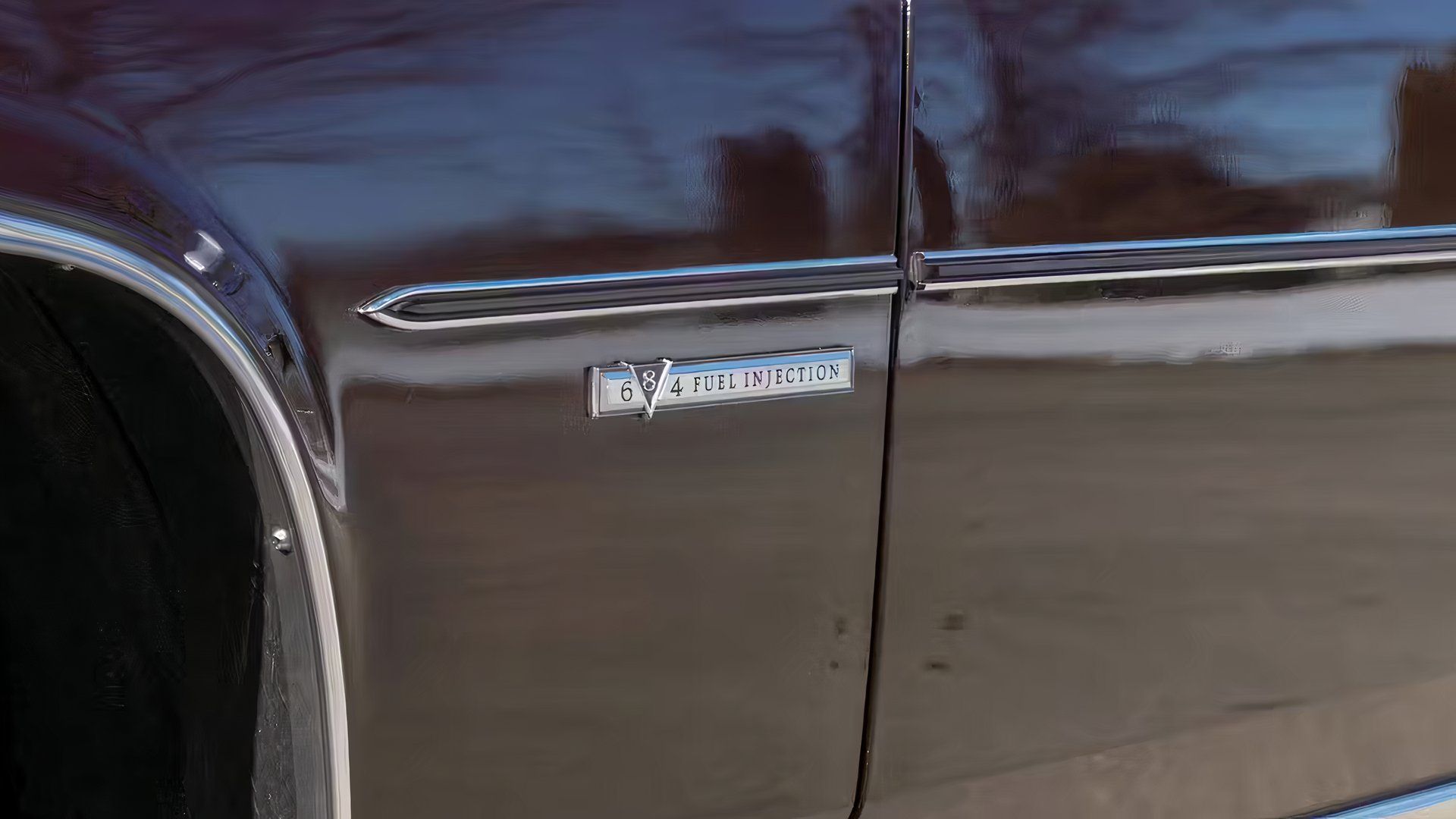
Forty-five years ago, Cadillac tried to do something no one else had: build a big V8 that could save gas by shutting off its own cylinders. It was a brilliant idea on paper—a response to the oil shocks of the 1970s that had Americans lining up for four-cylinder imports. But the V8-6-4 engine, as it was called, turned into one of the most notorious failures in automotive history.
What went wrong? Almost everything.
The engine relied on a primitive computer—called an ECM—to decide whether to run on eight, six, or four cylinders. Sensors tracked throttle position and vacuum, then triggered solenoids that disconnected rocker arms, letting valves seal shut on unused cylinders. In theory, it was elegant.
In practice, the electronics couldn't keep up. Owners reported violent jerking, hesitation, and “mode hunting,” where the computer frantically cycled through settings. Some cars got stuck in four-cylinder mode. Others ran rich and rough. Within a year, word had spread: the V8-6-4 was a nightmare.
Cadillac dealers scrambled. 0-liter V8—which, ironically, ran fine. But the damage was done. Sales cratered, and Cadillac’s reputation took a decade-long hit. The engine was pulled from mass production after just one year, though it lingered for fleet sales until 1985. It wasn’t until the late 1990s, with the arrival of the Escalade and a revamped lineup, that the brand began to recover.
Today, variable displacement is everywhere—GM calls it Active Fuel Management, and rivals have their own versions. The electronics are light-years ahead: faster processors, better sensors, seamless operation. So maybe Cadillac was just ahead of its time. The V8-6-4 was a mess, but it proved the concept could work.
Without that flawed first try, the modern V8 might not have survived emissions crackdowns. For that, the old Caddy deserves a nod—even if the ride was shaky.
Source: CarBuzz
Plain-English guides to common problems and what they cost in Boca Raton, plus local shops.