Bluetooth Flaw in Car Alarms Lets Hackers Unlock Doors and Kill Engines
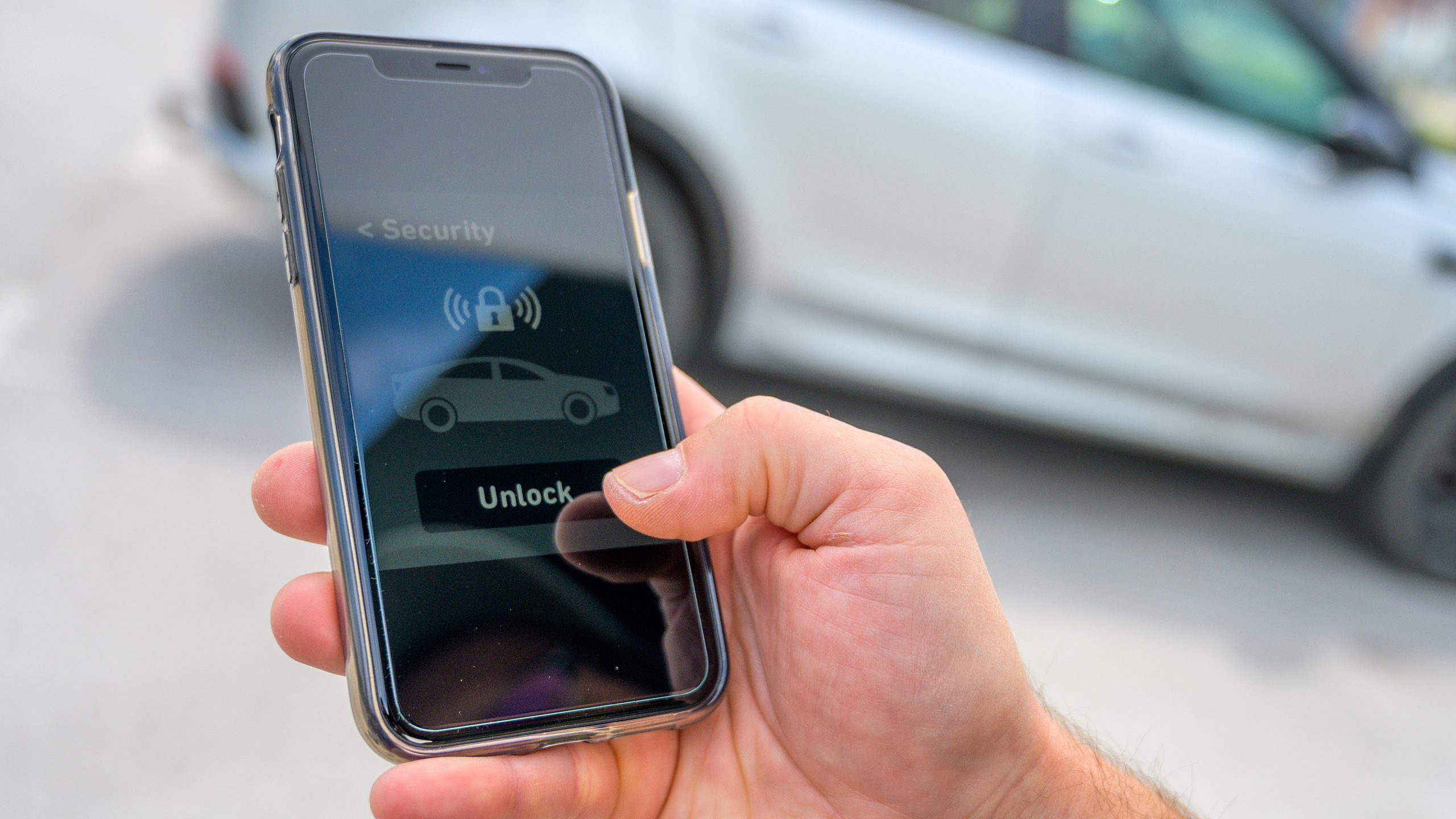
When you buy a car, dealers often pitch optional alarm systems as an add-on. S. But here’s the catch: many drivers don’t even know they have a Karr alarm. Some dealers install the hardware and leave it in place regardless of whether the buyer pays for the service.
That hidden equipment just became a serious problem. Researchers at UC San Diego discovered a vulnerability in Karr’s system that lets attackers send commands over Bluetooth to unlock doors, disable the ignition, and cause other mischief. The good news is Karr has issued a fix, which can be downloaded through a smartphone app, even if you’re not a paying subscriber.
To check if your car is affected, look for a sticker reading “Karr” or “SWDS” on the driver-side window.
Karr downplayed the risk, telling Wired the vulnerability is “highly complex” and poses low real-world danger. They also noted it took 18 months to develop the patch. But UCSD researchers disagree. One professor called it “probably the worst” car-hacking threat to date and showed how easily a hacker with the right software can mess with an unpatched vehicle.
The Bluetooth radio stays active for 10 minutes after the car is turned off, widening the window for attack.
The reason so many cars have Karr hardware is that thousands of dealers use it for inventory tracking while vehicles sit on the lot. At sale, customers can choose to pay for ongoing security, but if they decline, the alarm often stays. Removing it can be a hassle. The real fix may be simple: require dealers to remove such hardware unless the buyer consents and pays.
Leaving extra electronics in cars creates risks nobody asked for.
Source: The Drive
Plain-English guides to common problems and what they cost in Boca Raton, plus local shops.