Before You Buy a Used Hyundai Genesis or Equus V8: What You Need to Know
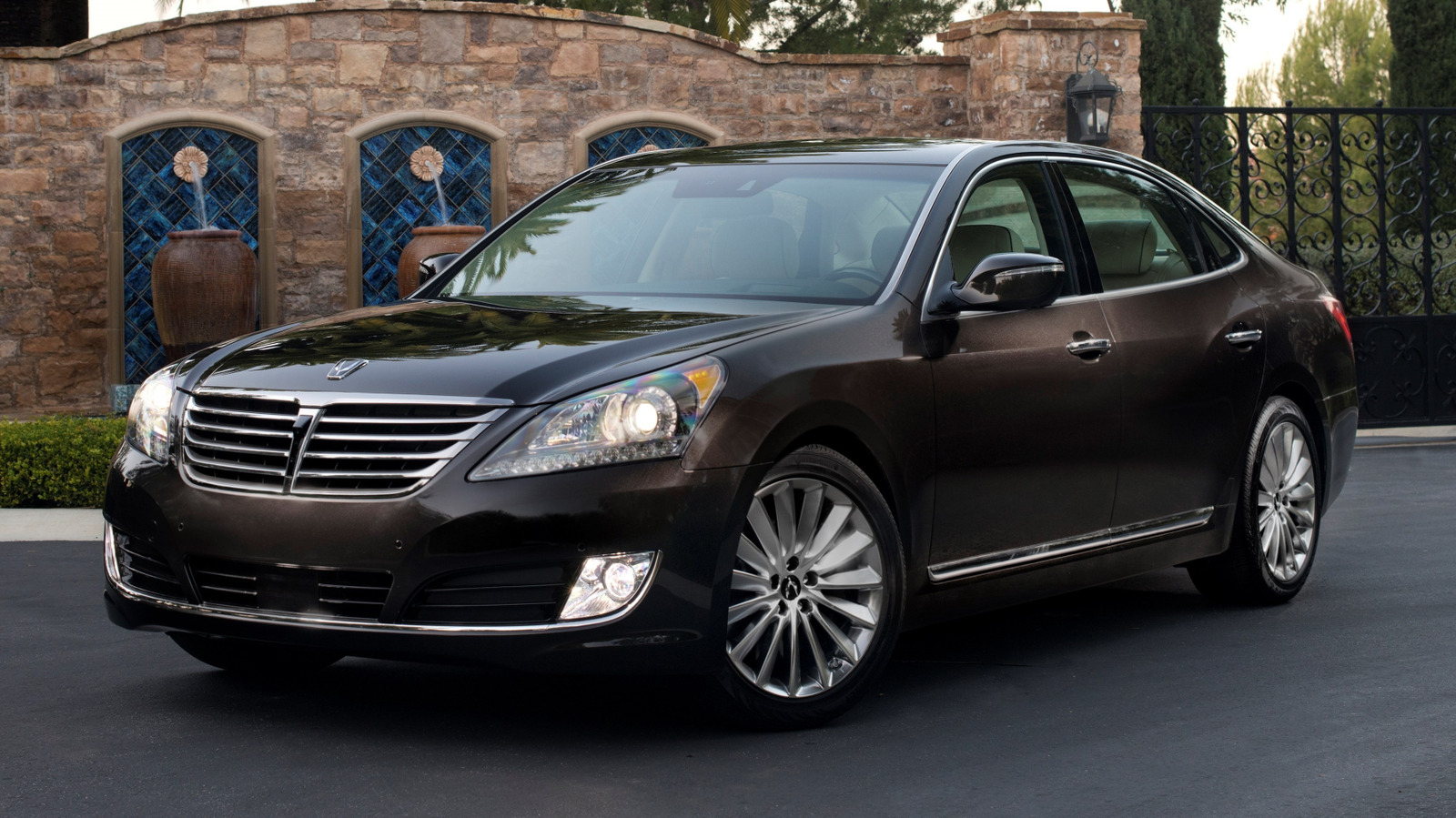
Genesis is making headlines these days with its high-performance Magma program and a planned 600-plus-horsepower V8 supercar. But for budget-conscious luxury shoppers, the real value might be hiding in the pre-2015 Hyundai Genesis sedan and its bigger sibling, the Equus. These V8-powered cruisers offer loads of features and power at a fraction of their original price, but there are a few gotchas worth understanding before you commit to one.
0-liter Tau V8. 0-liter churned out 429 horses before being dialed back to 420 in 2015. Both cars sent power to the rear wheels through a six-speed automatic in early models and an eight-speed from 2012 onward. If you want all-wheel drive, you’ll have to go with the V6, because HTRAC never came paired with the V8.
Expect 0-to-60 times in the low-5-second range, not bad for a big sedan.
Reliability is a mixed bag. The Equus got a rough 2-out-of-5 from RepairPal, with common complaints about air suspension failure and excessive oil consumption caused by low-friction piston rings. That can mean costly repairs averaging nearly $1,000 a year. 1 from iSeeCars. But it also had its share of recalls, six for the 2015 model alone, including risks of fire from water getting into the starter solenoid and ABS module issues.
Oil consumption problems showed up here too, though more often with the V6.
The main reason to consider these cars is price. Depreciation has been brutal. 0 that cost $54,800 new is now worth around $15,100. 6 can be had for about $4,500, that’s a 90% drop. The Equus fares even worse: a 2011 Signature that stickered at $58,900 now runs about $5,700. If you’re handy with tools or have a trusted mechanic, these V8 bargains can deliver serious luxury for pocket change.
Just go in with your eyes open.
Source: Jalopnik
Plain-English guides to common problems and what they cost in Boca Raton, plus local shops.