Avoid These 7 Tire Mistakes to Make Your New Set Last Longer
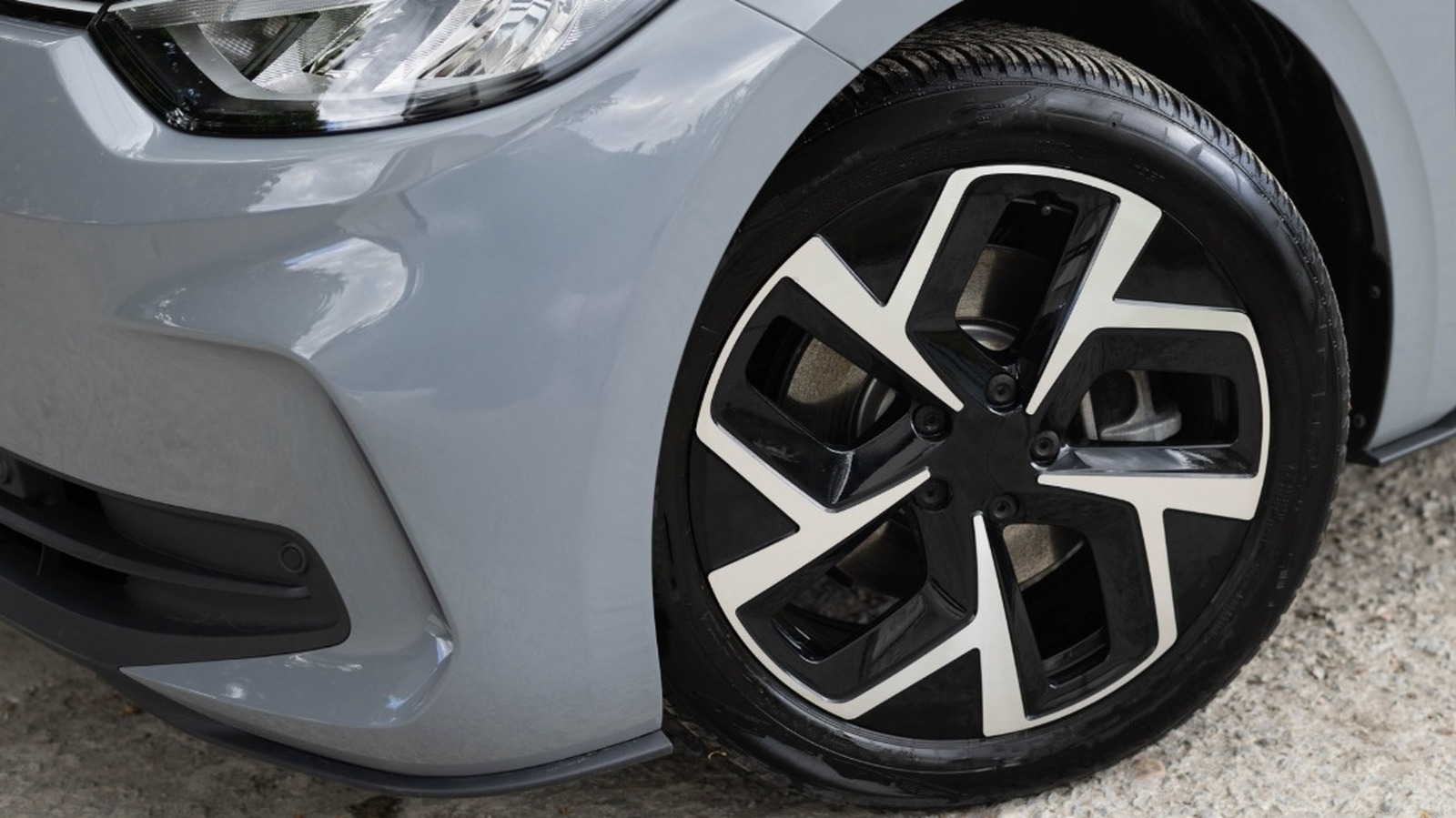
Getting a fresh set of tires is great, until you have to replace them again sooner than expected. Many drivers unknowingly make errors that shorten tire life. Common slip-ups include buying a single replacement tire that doesn't match the others, picking the wrong tires for your vehicle or season, and mismatching tires with rims.
Even professionals have been known to mount tires facing the wrong direction. Skipping alignment and balance on new tires is another frequent issue.
Proper air pressure matters even on new tires. Check it at least once a month with a gauge, ideally when tires are cold (car parked for three hours). Hot weather raises pressure; cold lowers it. Don't inflate to the "max PSI" on the sidewall, that's the limit, not the recommendation.
The correct PSI is on the driver's door jamb sticker. Overinflated tires puncture more easily, while underinflated ones overheat and suffer internal damage.
New tires need a break-in period. A lubricant used during curing reduces traction for the first 500 miles, so go easy on acceleration, cornering, and braking. After that, avoid aggressive driving like peel-outs or stomping the gas, which grinds down tread. , "91V", 91 is load, V is speed) found on the sidewall or door jamb.
Regular rotation is essential, usually every 5,000 to 8,000 miles, per your manufacturer. Skipping it causes uneven wear and potential blowouts. Worn shocks or struts (typically needing replacement by 100,000 miles) can also cause cupping or premature tire wear. If your tires look worn, check those parts too.
Be cautious with tire shine products containing solvents, which can degrade rubber.
S. Tire Manufacturers Association doesn't endorse them as permanent, and Pirelli says they void warranties. Don't repair punctures larger than ¼-inch or holes outside the tread (like sidewalls). Also, avoid overtightening lug nuts: use a torque wrench, not an impact wrench, and retorque after 30 miles.
Store unmounted tires off the floor in a dry, cool, well-ventilated area, away from sun, moisture, and extreme temperatures. Stack them sidewall to sidewall (or side-by-side on a rack) to keep their shape, and place whitewalls together to prevent staining. If parking a car for months, avoid letting full weight rest on the same tire spot, move the vehicle occasionally and keep tires properly inflated.
Source: Jalopnik
Plain-English guides to common problems and what they cost in Boca Raton, plus local shops.