Acura NSX: A Look Back at Every Generation of the Japanese Icon
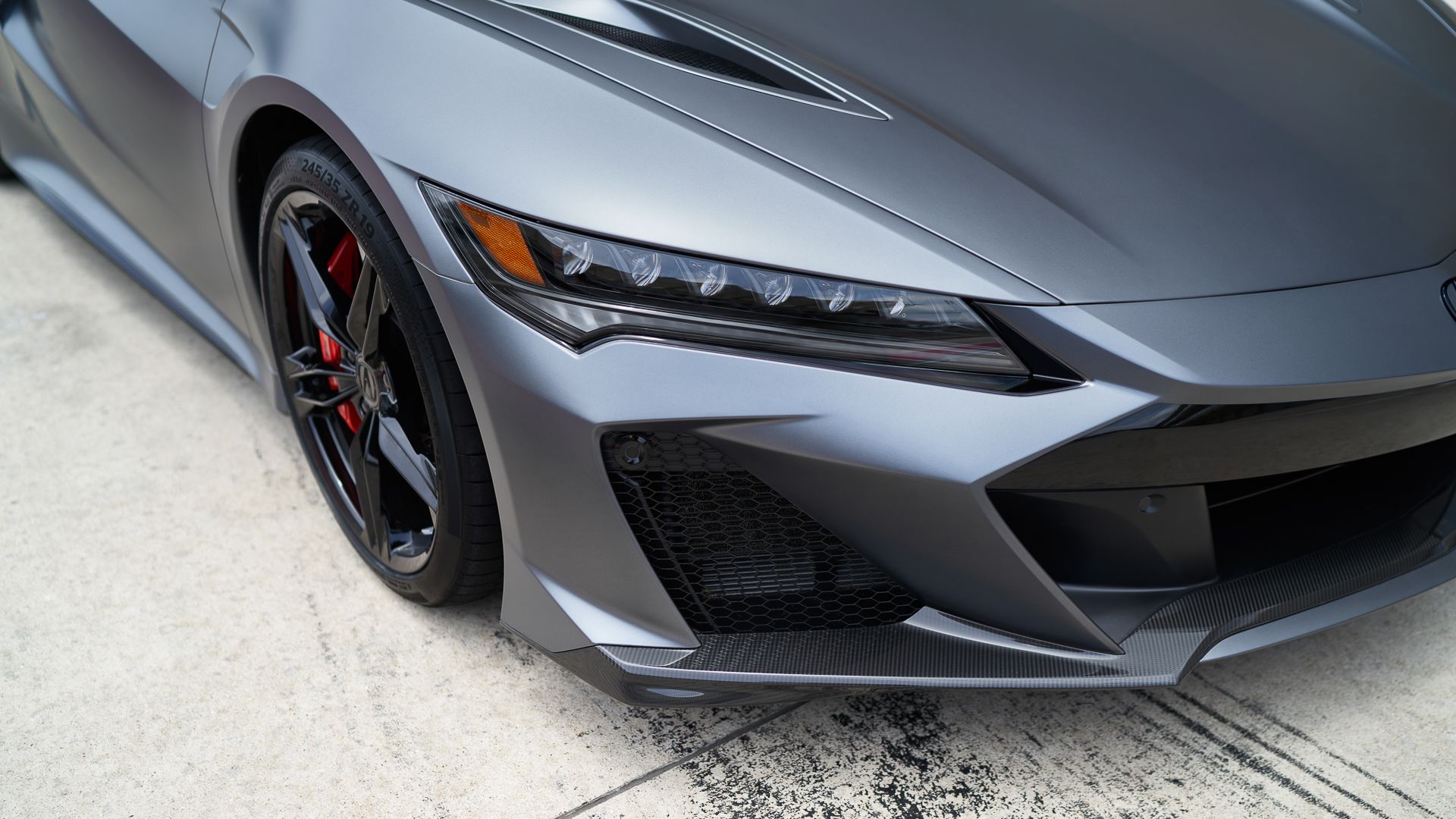
The Acura NSX first arrived in 1989, and it quickly changed how Americans viewed Japanese sports cars. It was praised as sharper and easier to live with than its European rivals, helping put Acura on the map. Development input from a three-time Formula 1 champion added to its appeal.
The first generation ran for 15 years, ending in 2005. The nameplate returned in 2016 as a hybrid halo car, but it didn't generate the same excitement as the original. Still, it earned respect as an engaging everyday supercar.
5L twin-turbo hybrid V6 with three electric motors, sending 573 horsepower to all four wheels through a nine-speed automatic. Acura focused on a zero-delay driving experience, with magnetic dampers and integrated brake energy recovery. The cabin included heated seats, a rear camera, and premium sound.
A limited Type S version boosted output to 602 horsepower, but sales never matched the first car, and the model was discontinued in 2022.
The first-generation facelift (2002-2005) swapped pop-up headlights for fixed Xenon units, stiffened the springs, and kept the coupe's silhouette. The hardtop was dropped by then, leaving only the targa-style model. Creature comforts included a Bose sound system and automatic climate control.
The original NSX (1990-2002) began as a 1984 Pininfarina concept. 2L with 290 horsepower. It was the first production car with an all-aluminum body, saving about 440 pounds. Handling was signed off by F1 drivers Ayrton Senna and Satoru Nakajima, and Gordon Murray used it as a benchmark for the McLaren F1.
Only 200 experienced employees were allowed to build it. Special variants included the Zanardi edition (50 units) and the NSX-T with a removable targa top.
Source: CarBuzz
Plain-English guides to common problems and what they cost in Boca Raton, plus local shops.