2027 Chevy Bolt EV Returns: Affordable, Improved, and Already on Its Way Out
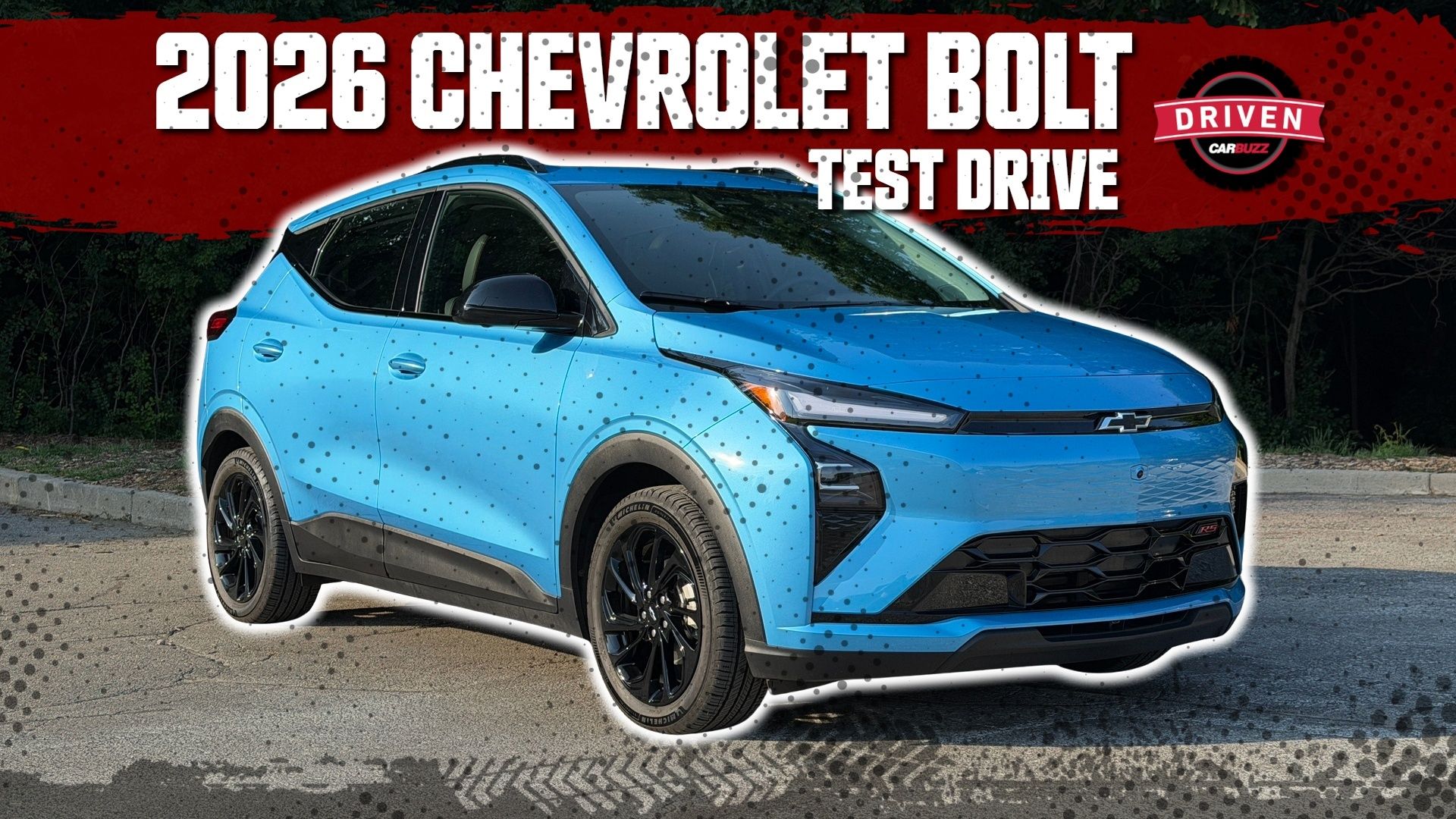
The 2027 Chevrolet Bolt EV is back after a four-year break, and it brings a mix of familiar looks and major under-the-skin updates. Chevy revived the model after killing it in 2023, its best sales year, and the new version is essentially the old Bolt EUV with revised bumpers, lights, and a completely new powertrain.
The big change is the battery. It now uses lithium-iron-phosphate chemistry instead of nickel-manganese-cobalt, keeping the same 65 kWh capacity but boosting range to 262 miles, 15 more than before. Charging speed jumps from 50 kW to 150 kW, meaning an 80% charge takes about 30 minutes.
The new motor makes 210 horsepower, up from 200, but torque drops significantly from 266 to 169 pound-feet. The Bolt also gains a heat pump, the NACS connector, and compatibility with Chevy's vehicle-to-home charger.
Inside, the cabin is noticeably cheaper, with hard plastic everywhere and a simpler dash design. 3 with them folded. The front seats are still flat and firm, though. 3 inches, but Apple CarPlay and Android Auto are gone, replaced by Google-based native apps.
Driving feel is softer and more refined than before, with a more compliant suspension and quieter cabin. But it's less playful, with slower steering and more body lean. Still, the small footprint and sub-4,000-pound weight keep it nimble in town.
Pricing starts at $27,600 plus destination, making it nearly the cheapest EV on the market. The LT trim offers affordable option packages, while the RS starts at $31,600 and adds features like ambient lighting and RS styling. Even fully loaded, it stays under $40,000. The Nissan Leaf is the closest rival, but the Bolt is cheaper, more practical, and more comfortable.
Production ends sometime in 2027, so Chevy is pulling the plug again, this time for good.
Source: CarBuzz
Plain-English guides to common problems and what they cost in Boca Raton, plus local shops.