12 Non-Jeep Vehicles That Still Rock a Rear-Mounted Spare Tire
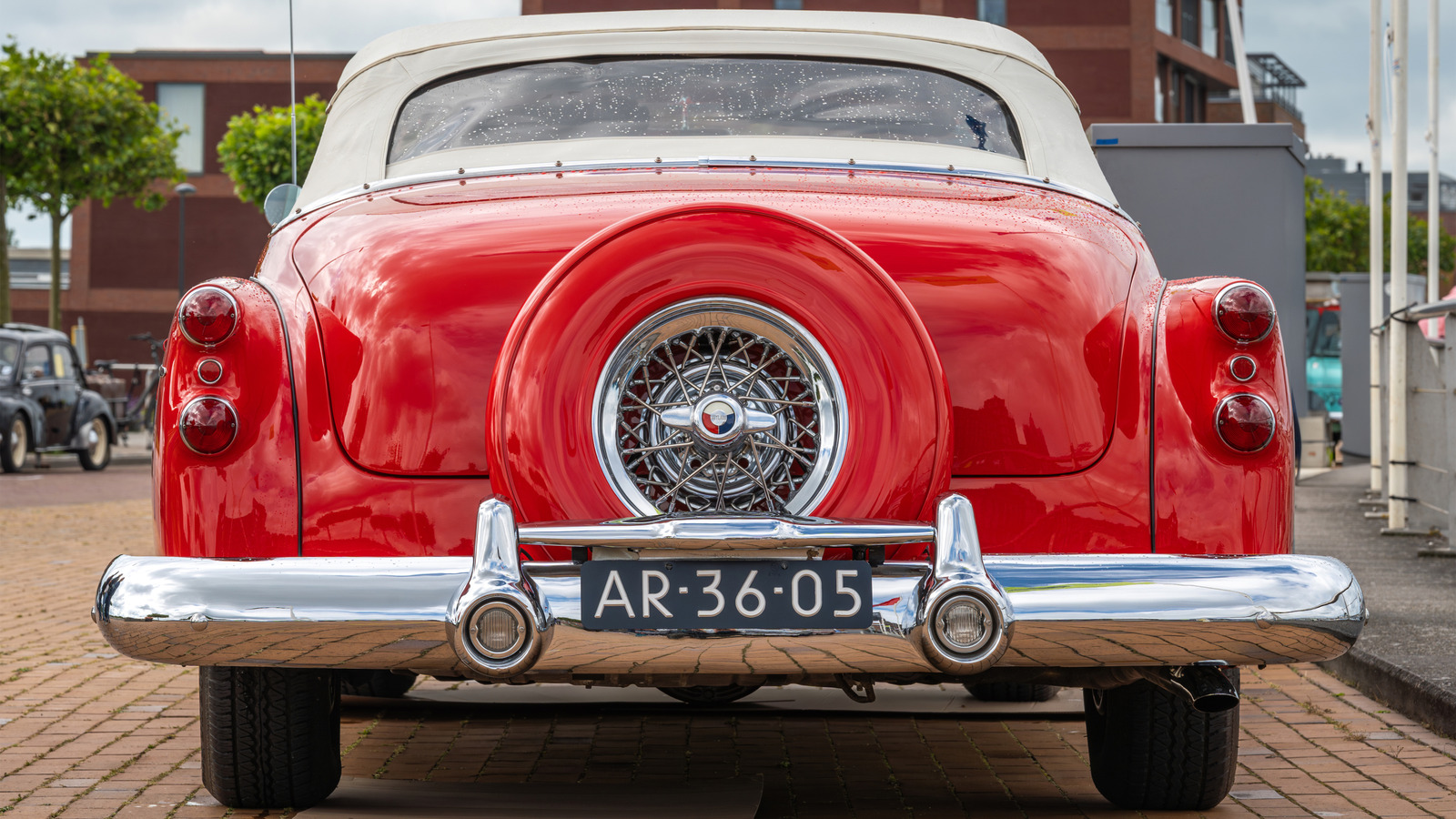
While many new cars no longer include a spare tire at all, a full-size one mounted on the tailgate still carries a certain bold charm. It offers visible reassurance that a fifth wheel is always ready, and it saves you from the awkward struggle of digging one out from under your SUV.
You could buy a Jeep, of course, but that brings its own set of quirks, like road noise, potential handling issues, and the odd tradition of receiving rubber ducks from strangers in parking lots. Still, a rear-mounted spare adds weight to the tailgate, complicates rear access, and makes tight parking trickier.
But it also gives a vehicle instant personality. From the Ford Bronco and Mercedes-Benz G-Class to the Land Rover Defender and Toyota FJ Cruiser, these non-Jeep options deliver that rear-mounted style without the duck problem.
The Ford Bronco owes much of its comeback appeal to that unapologetic rear spare. Ford knew buyers wanted it, just like round headlights and a distinct horse badge. Without the tire, the Bronco risks looking like a camping-obsessed Escape. Interestingly, the original Bronco also carried its spare on the tailgate, just inside the passenger compartment, a fact Ford touted as leaving room for an optional third-row bench.
The Mercedes-Benz G-Class started as a tough utility vehicle and became a luxury status symbol, but the big spare stays. It helps preserve the boxy silhouette that would otherwise vanish under leather, screens, and ambient lighting. The tire keeps a hint of expedition fantasy alive, even if the only off-roading involves a Whole Foods parking lot.
Mercedes also seems set on giving its upcoming smaller G-Class the same full-size spare.
The Land Rover Defender treats its rear spare as essential brand mythology. Old and new Defenders both carry it, and even casual buyers expect it. The modern Defender is far more refined than the agricultural originals, but Land Rover kept the rear tire and the short overhang it allows, citing off-road practicality as the reason.
The Ineos Grenadier is deliberately utilitarian, with exposed hinges, a ladder-frame chassis, and solid axles. Its rear spare fits that ethos, and you can even option a locking storage box in the wheel well. It's not trying to be sleek, it's built to look ready for a checklist, a shovel, and adventure.
The Toyota FJ Cruiser was a boxy, quirky concept turned production reality, full of blind spots but oddly charming. Its rear-mounted spare was part of the caricature, along with the roof and stubby proportions. The new, smaller Land Cruiser FJ still carries a spare on the back, keeping that offbeat personality alive.
Early Toyota RAV4s, first and second generations, were cheerful little runabouts with rear spares that added charm. The first-gen especially looked less like a tall economy car and more like something that knew where the beach access road was. By the third generation. Toyota started moving away from the look, as the RAV4 grew up into the default crossover answer.
The first two Honda CR-V generations also used a rear-mounted spare to suggest mild adventure. The first-gen even came with a folding picnic table under the cargo floor, and the spare sat on a two-way tailgate. It gave the little crossover a friendly, practical outdoorsiness, more state park than expedition rig.
Later models smoothed out and lost that personality.
The Chevrolet Tracker (formerly Geo Tracker) proves a rear spare doesn't need a big, expensive vehicle. This small Suzuki-built runabout looked adventurous without being angry. The outside-mounted, lockable full-size spare added trail-dog credibility without pretending to be a luxury rig or military accessory.
It was just useful, cheap, and ready for mildly irresponsible weekend plans.
The Suzuki Samurai is too small to intimidate but too stubborn to dismiss. Its rear spare is essential, without it, the thing looks like a garden shed with headlights. With it, the tiny SUV gains the posture of a mountain goat that's made questionable choices and survived. The spare carrier hung right where it belonged, making the whole vehicle look ready for a dirt road at bicycle speeds.
The Suzuki Grand Vitara took the Samurai's idea and made it more civilized, with a proper back seat and smoother ride. The rear spare kept it from becoming too sensible, adding adventure vibes even during mundane errands. It was still small but had enough trail-dog attitude to make ordinary driving feel less ordinary.
The Hummer H2 and H3 treated the rear spare as part of a costume, a round, rubbery declaration that subtlety had been rejected. The H2 was blocky and excessive, while the H3 brought the same attitude to a more normal size. GM's latest electric Hummer SUV, celebrating 25 years of the name, also carries a rear spare.
The first-generation Kia Sportage ends this list by showing the rear spare wasn't just for icons or cult off-roaders. It appeared on a small, earnest, body-on-frame SUV from a brand still convincing Americans it belonged. The early Sportage didn't need the tire for heritage, it was simply how small SUVs rolled back then.
The 2026 Sportage gets a rugged refresh, but it drops that rad rear spare.
Source: Jalopnik
Plain-English guides to common problems and what they cost in Boca Raton, plus local shops.